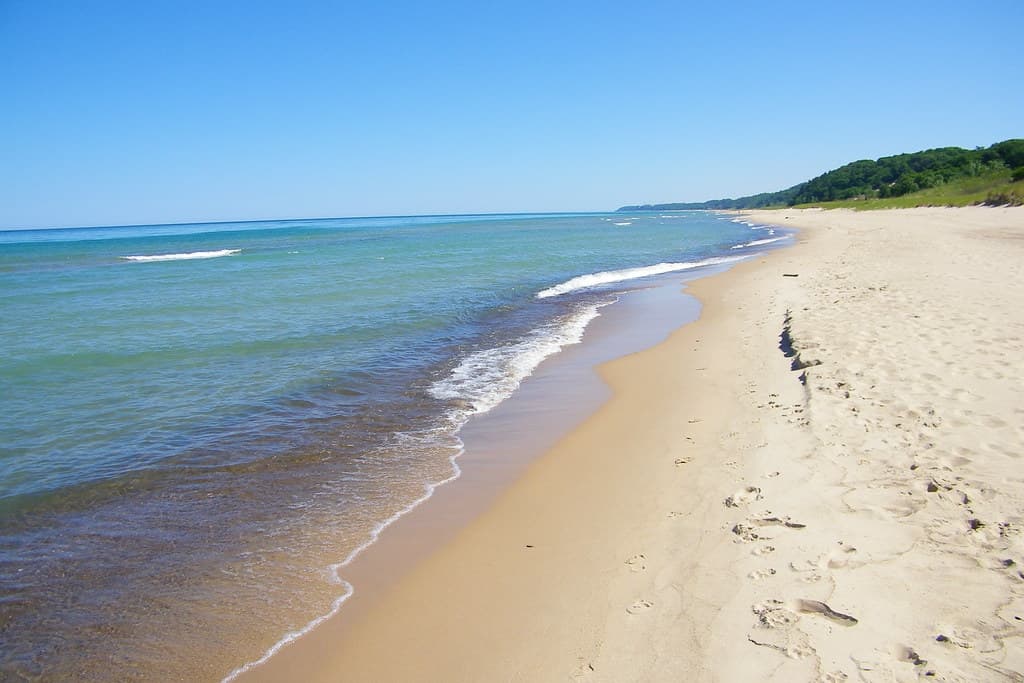
Michigan Beaches: Complete Guide
Explore 3,200+ miles of Great Lakes beaches, from sandy Lake Michigan shores to dramatic Lake Superior coastline. Your guide to Michigan's best beaches and beach towns.
Michigan boasts over 3,200 miles of Great Lakes shoreline—more freshwater coastline than any other state. From the towering sand dunes of Sleeping Bear to the peaceful coves of the Upper Peninsula, Michigan's beaches offer endless opportunities for swimming, sunbathing, beachcombing, and stunning sunsets.
Why Michigan Beaches Are Special
Unlike ocean beaches, Michigan's Great Lakes beaches feature fresh water that's clean, clear, and free of saltwater's sting. The beaches range from soft white sand that rivals any Caribbean shore to dramatic rocky coastlines with towering cliffs. Each of the three Great Lakes bordering Michigan offers distinct beach experiences, from Lake Michigan's massive dunes to Lake Superior's pristine wilderness beaches.
Types of Michigan Beaches
- •Sandy Beaches: Classic swimming beaches with soft sand, shallow water, and gentle waves. Perfect for families. Found throughout Lake Michigan's coast.
- •Dune Parks: Dramatic landscapes where massive sand dunes meet the water. Sleeping Bear Dunes, Warren Dunes, and Silver Lake offer spectacular dune beach combinations.
- •Rocky Beaches: Lake Superior's North Shore features dramatic rocky coastlines with clear water, tide pools, and agate hunting opportunities.
- •Hidden Coves: Secluded beaches accessible via hiking trails, offering solitude and pristine natural settings away from crowds.
Beach Regions Overview
Lake Michigan Beaches: The most popular and accessible beaches, featuring soft sand, warm(er) water, and iconic beach towns like Holland, Grand Haven, and Traverse City. Summer water temperatures reach the mid-60s to low 70s.
Lake Huron Beaches: The Sunrise Coast offers quieter beaches with beautiful morning light. Tawas, Oscoda, and Rogers City feature family-friendly beaches with shallow water and sandy bottoms.
Lake Superior Beaches: Cold, clear water and dramatic wilderness settings characterize Superior beaches. Marquette, Pictured Rocks, and the Keweenaw Peninsula offer stunning but chilly beach experiences.
- • Michigan has more freshwater coastline than any U.S. state
- • Best swimming season: Late June through August
- • Water temperatures warmest in August (60-75°F depending on lake)
- • Many beaches have blue flag certification for water quality
- • Most state park beaches require Michigan Recreation Passport
- • Pet policies vary—check individual beach rules
Featured Articles
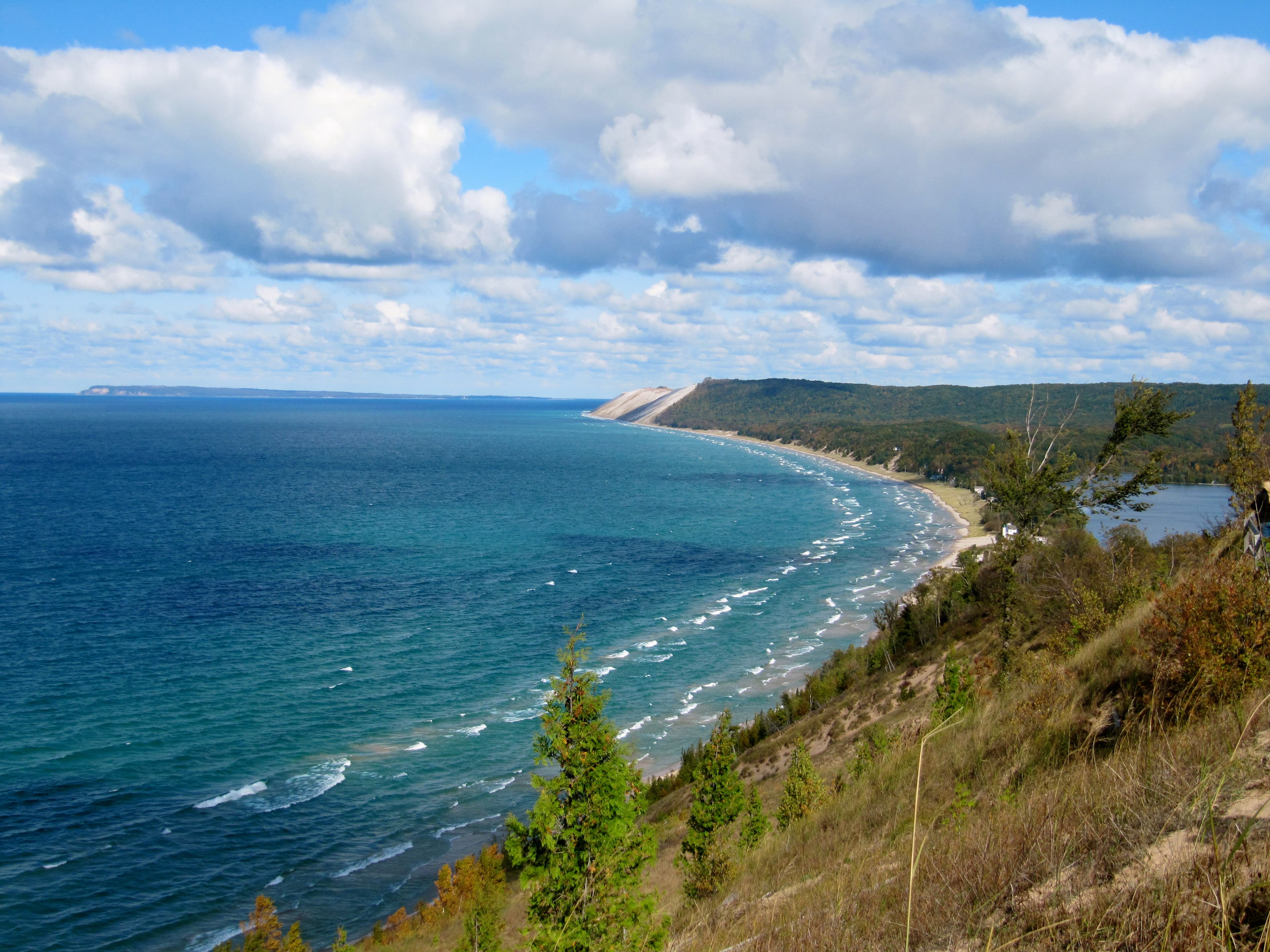
15 Best Beaches in Michigan for Summer
Discover the 15 best Michigan beaches for summer, from the iconic Warren Dunes to peaceful Good Harbor Beach. Your complete guide to swimming, sunbathing, and summer beach adventures.
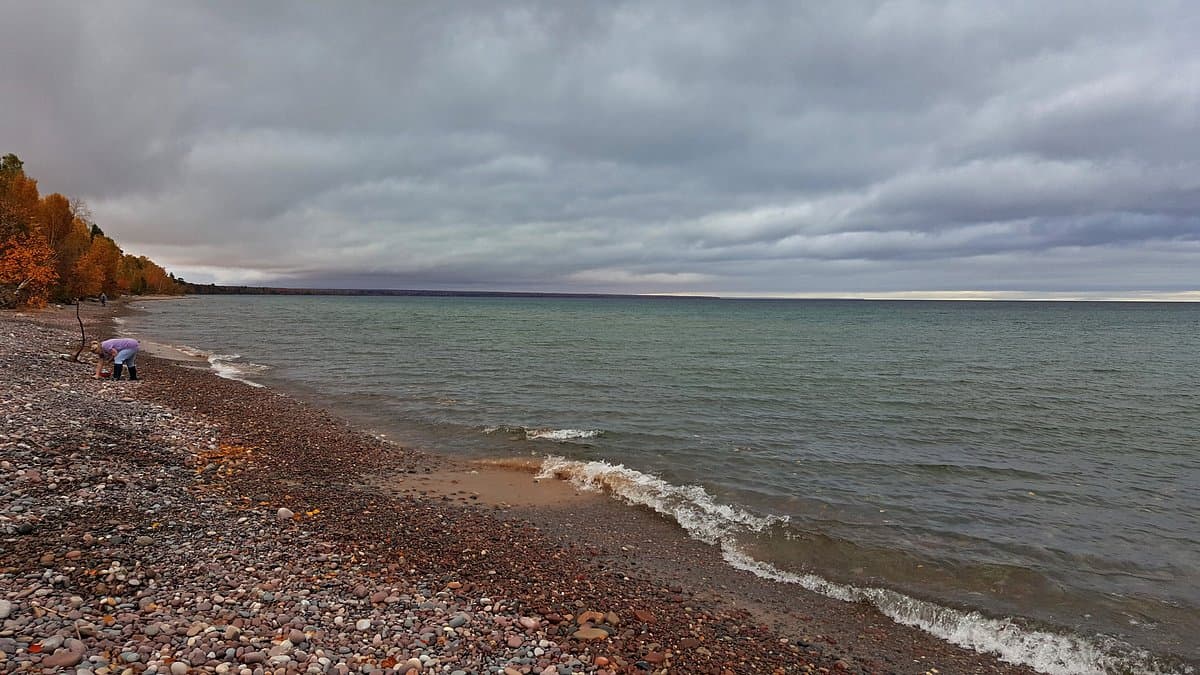
Hidden Gem Beaches in Michigan's Upper Peninsula
Discover 8 hidden gem beaches in Michigan's Upper Peninsula, from secluded Agate Beach to pristine Bete Grise. Your guide to the UP's best-kept beach secrets.
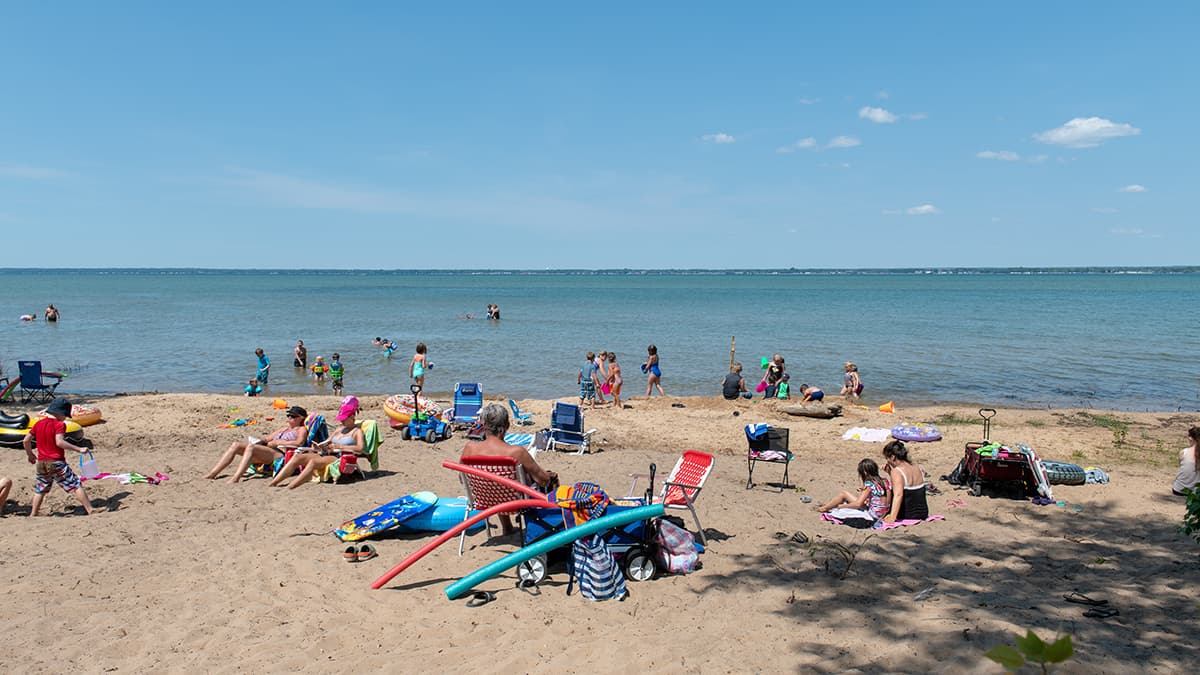
Best Family Beaches in Michigan: Kid-Friendly Guide
Discover the best family beaches in Michigan with shallow water, playgrounds, and amenities. Complete guide to kid-friendly beaches perfect for family vacations.
Planning Your Beach Visit
- • Never swim alone—always use the buddy system
- • Watch for warning flags and follow lifeguard instructions
- • Be aware of rip currents—if caught, swim parallel to shore
- • Great Lakes don't have tides but can have sudden waves
- • Cold water can cause hypothermia even in summer
- • Keep children within arm's reach near water
- • Check water quality reports before swimming
- • Saugatuck/Douglas: Art galleries, boutiques, and excellent dining near Oval Beach
- • Grand Haven: Beautiful boardwalk, musical fountain, and pier lights
- • Traverse City: Wine country meets beach town on Grand Traverse Bay
- • Charlevoix: Upscale resort town with multiple beaches and boating
- • Petoskey: Historic downtown with stone beaches and shopping
- • Marquette: Upper Peninsula's largest city with urban beaches and outdoor culture
- • Sunscreen (SPF 30+) and reapply frequently
- • Beach umbrella or pop-up shade tent
- • Cooler with water and snacks
- • Beach towels and extra clothes
- • Water shoes (some beaches are rocky)
- • Beach toys for kids
- • Camera for sunset photos
- • Cash for parking and concessions
- • Michigan Recreation Passport for state park beaches
Summer (June-August): Prime beach season with warmest water and best swimming. Arrive early on weekends as parking fills quickly. Water warmest in August.
Spring (April-May) and Fall (September-October): Beautiful for beach walks and photography but water too cold for most swimming. Fewer crowds and excellent for beachcombing.
Winter: Dramatic ice formations and frozen waves create stunning photography opportunities. Dress warmly and be cautious of ice.