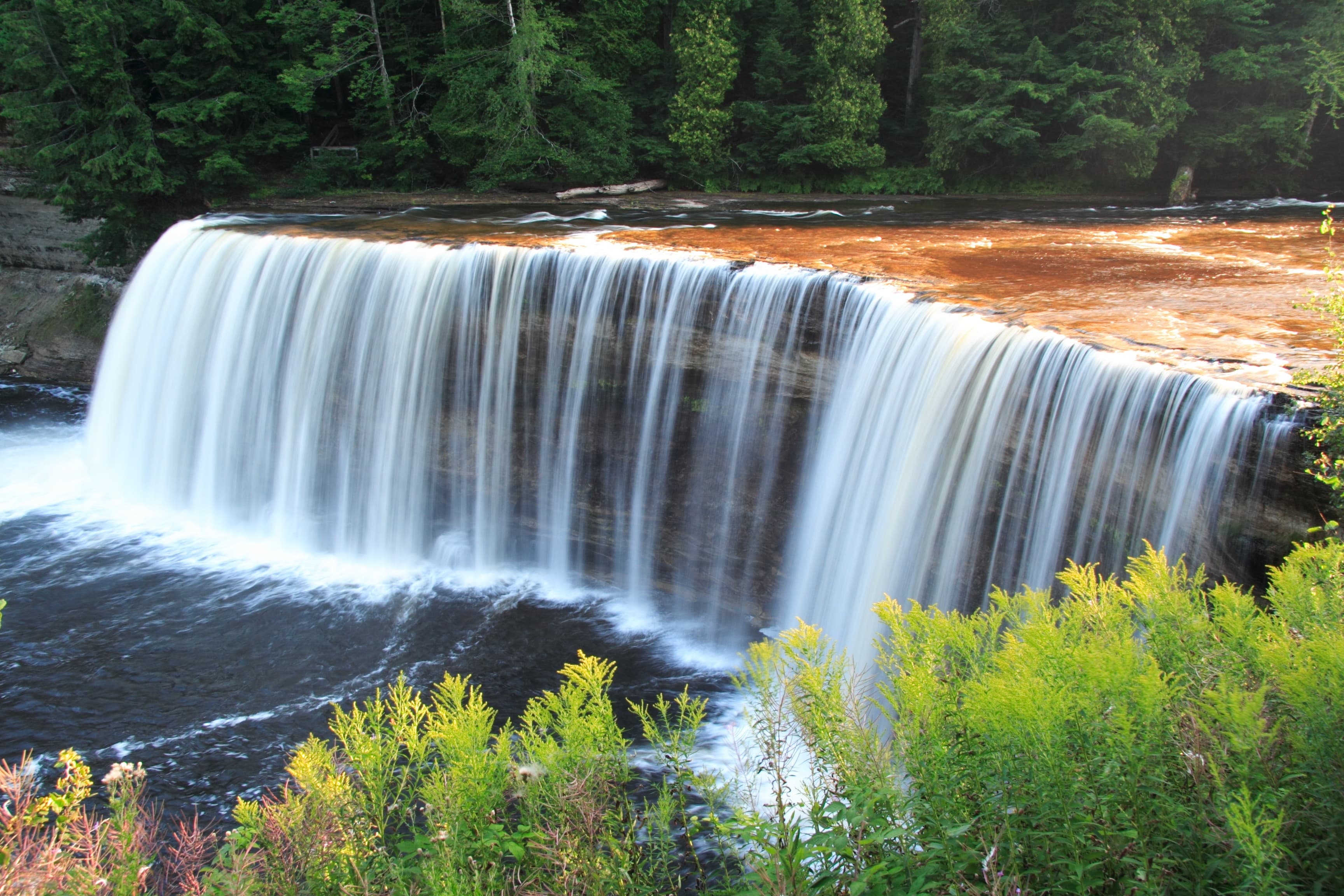
Michigan Waterfalls: Complete Guide
Explore 300+ Michigan waterfalls, from the powerful Tahquamenon Falls to hidden cascades in ancient forests. Your complete guide to waterfall hikes and photography.
Michigan is home to over 300 waterfalls, with the vast majority concentrated in the Upper Peninsula. From the roaring Tahquamenon Falls—one of the largest waterfalls east of the Mississippi—to delicate forest cascades accessible only by trail, Michigan's waterfalls showcase the power and beauty of Great Lakes water systems.
Why the Upper Peninsula Has So Many Waterfalls
The Upper Peninsula's unique geology creates perfect waterfall conditions. Ancient lava flows created layers of hard basalt rock, while softer sandstone erodes more easily. When rivers encounter these hard rock ledges, they cascade over them, creating waterfalls. Combined with the UP's abundant rainfall (30-40 inches annually) and Lake Superior snowmelt, these geological formations produce hundreds of waterfalls throughout the region.
Best Waterfall Regions
- •Porcupine Mountains: Over 90 waterfalls including Manabezho, Manido, and Shining Cloud Falls. Remote wilderness setting with extensive trail network.
- •Pictured Rocks National Lakeshore: Features stunning waterfalls that drop directly into Lake Superior, including Munising and Miners Falls. Accessible via trails and boat tours.
- •Tahquamenon Falls State Park: Home to Michigan's most famous waterfalls—Upper and Lower Tahquamenon Falls. Easy access with excellent facilities.
- •Western UP (Waterfall Alley): Bond Falls, Agate Falls, Hungarian Falls, and dozens more concentrated along US-45 corridor between Ontonagon and Watersmeet.
Types of Michigan Waterfalls
Classic Drop Waterfalls: Water free-falls over a ledge, creating dramatic displays. Examples include Tahquamenon Upper Falls and Bond Falls. These are most photogenic and impressive.
Cascading Waterfalls: Water tumbles over multiple levels or slopes, like Sable Falls and Wagner Falls. Often more accessible and family-friendly.
Coastal Waterfalls: Streams that drop directly into Lake Superior, visible from boat tours. Spray Falls and Chapel Falls in Pictured Rocks are prime examples.
- • Over 300 waterfalls documented in Michigan
- • 90% are located in the Upper Peninsula
- • Best waterfall flow: Spring (April-May) and after heavy rain
- • Summer provides easiest trail access and warmest conditions
- • Fall offers beautiful colors around waterfalls
- • Winter creates stunning ice formations
- • Many waterfalls accessible via short, easy hikes
Featured Articles
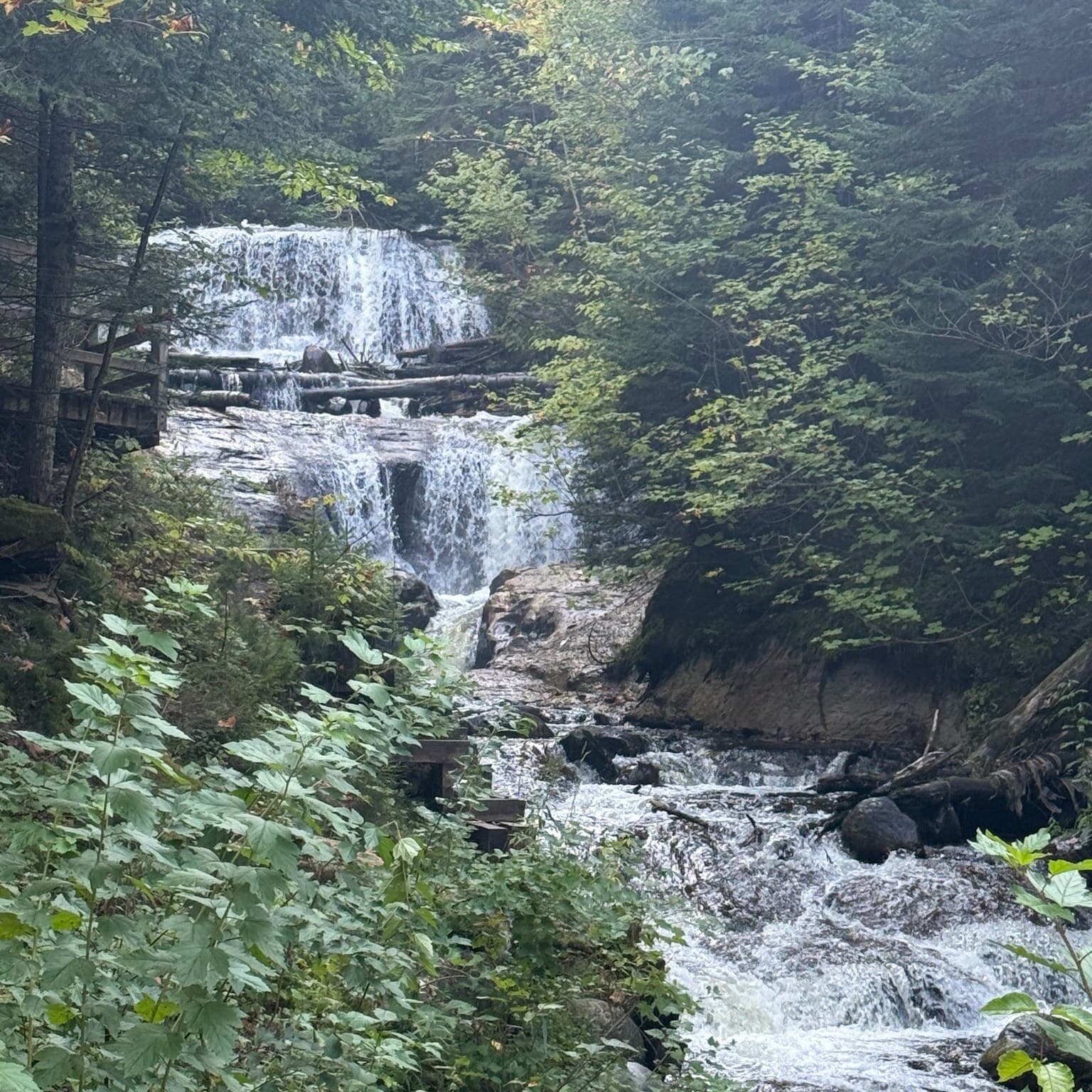
20 Best Waterfalls in Michigan's Upper Peninsula
Discover the 20 best waterfalls in Michigan's Upper Peninsula, from Tahquamenon Falls to hidden Porcupine Mountains cascades. Your complete UP waterfall guide.
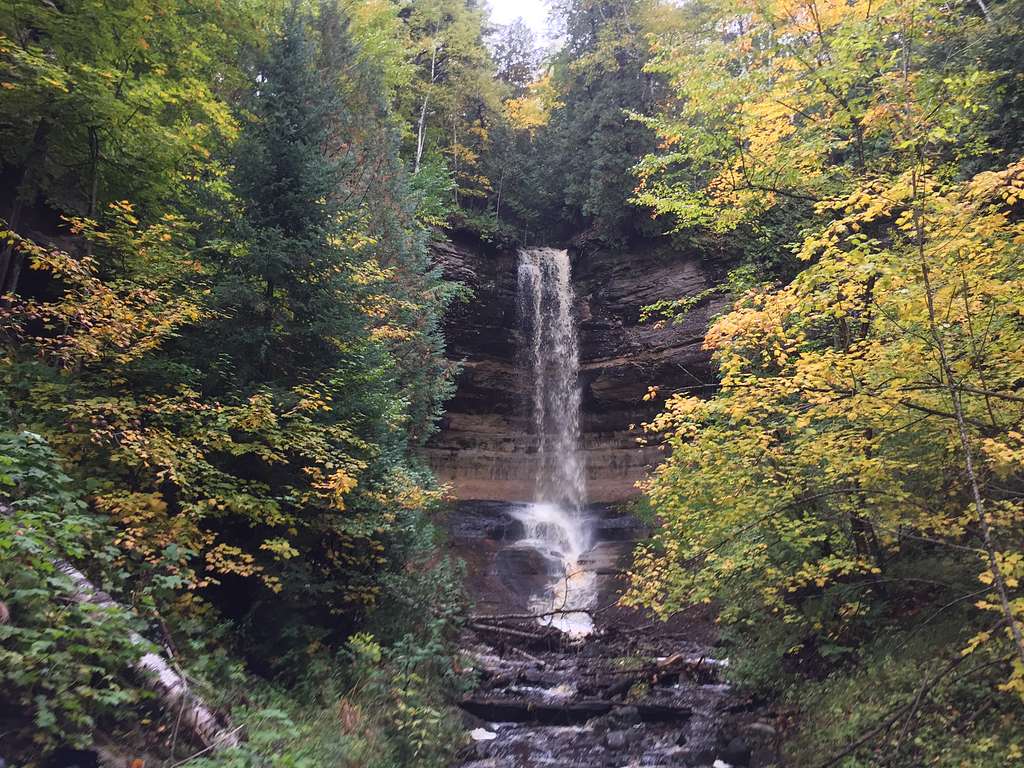
Michigan Waterfall Road Trip: 3-Day Itinerary
Plan the perfect 3-day Michigan waterfall road trip through the Upper Peninsula. Complete itinerary with the best waterfalls, driving routes, and where to stay.
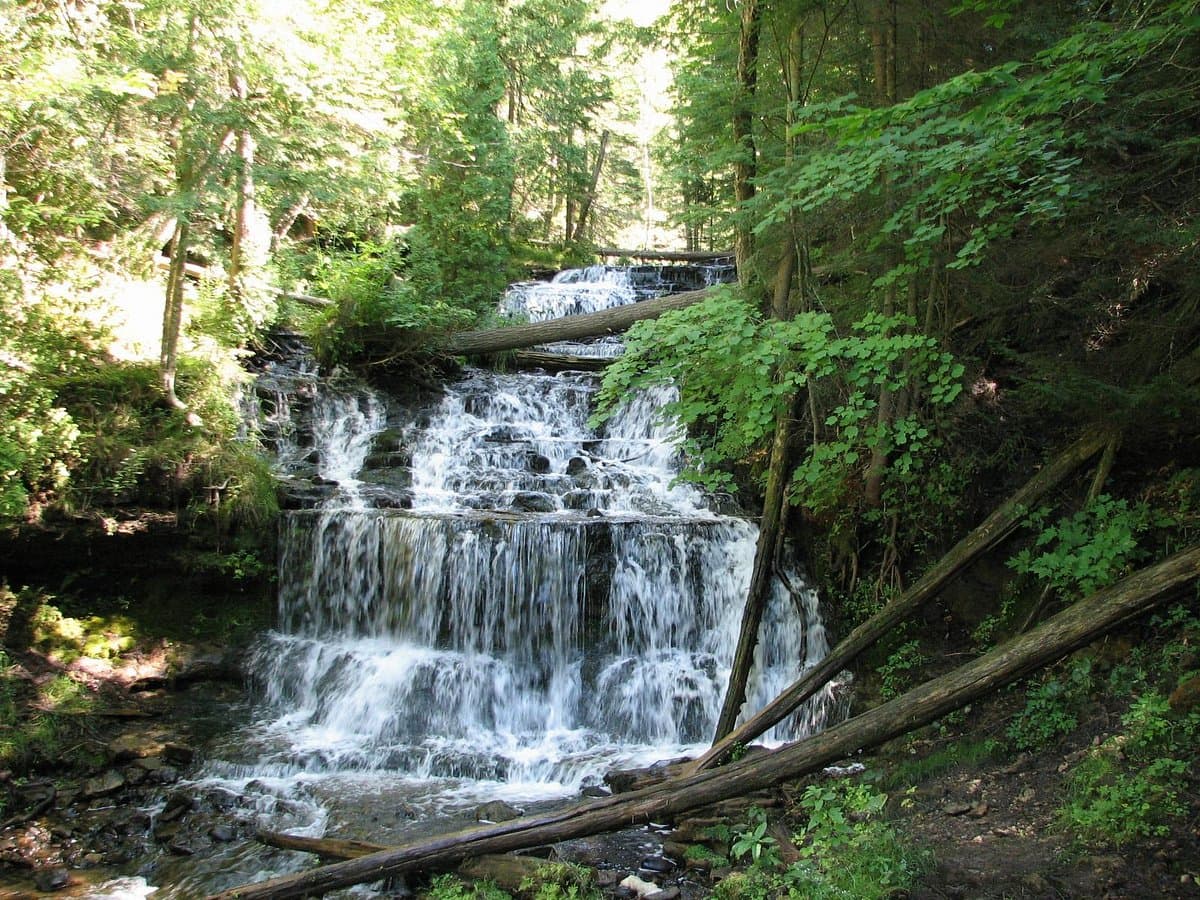
Easy Waterfall Hikes in Michigan for Beginners
Discover easy waterfall hikes in Michigan perfect for beginners and families. Short trails, accessible paths, and beautiful waterfalls anyone can enjoy.
Planning Your Waterfall Adventure
- • Spring (April-May): Highest water flow from snowmelt, most dramatic displays, muddy trails
- • Summer (June-August): Best weather, dry trails, lower water flow but still beautiful
- • Fall (September-October): Moderate flow, beautiful fall colors, comfortable temperatures
- • Winter: Frozen waterfalls create ice sculptures, requires experience and proper gear
- • Use slow shutter speed (1/4 to 2 seconds) for silky water effect
- • Bring tripod for stability during long exposures
- • Overcast days provide best lighting—avoid harsh midday sun
- • Polarizing filter reduces glare and enhances colors
- • Include surrounding forest or rocks for context and scale
- • Morning and evening light create warmer tones
- • After rain provides highest, most dramatic flows
- • Never climb on wet rocks near waterfalls—extremely slippery
- • Stay behind barriers and respect closures
- • Watch children carefully—drowning can happen quickly
- • Wear proper footwear with good traction
- • Be aware that spring runoff creates dangerous currents
- • Don't swim above waterfalls—currents are deceptive
- • Tell someone your plans when visiting remote waterfalls
- • Good hiking boots or shoes with traction
- • Camera and extra batteries (cold drains batteries fast)
- • Tripod for photography
- • Rain jacket (waterfall spray creates mist)
- • Bug spray (mosquitoes love waterfall areas)
- • Water and snacks
- • Trail map or GPS app
- • First aid kit for longer hikes