Visiting Michigan Lighthouses: Complete Practical Guide
Everything you need to know about visiting Michigan's 129+ lighthouses, from which towers you can climb to the best photography spots and insider tips.
With over 129 lighthouses along Michigan's Great Lakes shoreline, planning your lighthouse visits requires some preparation. This comprehensive guide answers all your practical questions about visiting, photographing, and experiencing Michigan's iconic lighthouses.
Whether you're planning a dedicated lighthouse road trip or adding a few lighthouses to your Michigan vacation, this guide covers everything from which lighthouses offer tower climbs to the best photography techniques. Learn the insider tips that will help you make the most of your Michigan lighthouse adventures.
Which Michigan Lighthouses Can You Climb?
Tower Access and Tour Information
One of the most popular lighthouse experiences is climbing the tower for panoramic views. However, not all Michigan lighthouses offer this opportunity. Here's what you need to know about lighthouse tower access.
Lighthouses with Regular Tower Climbs:
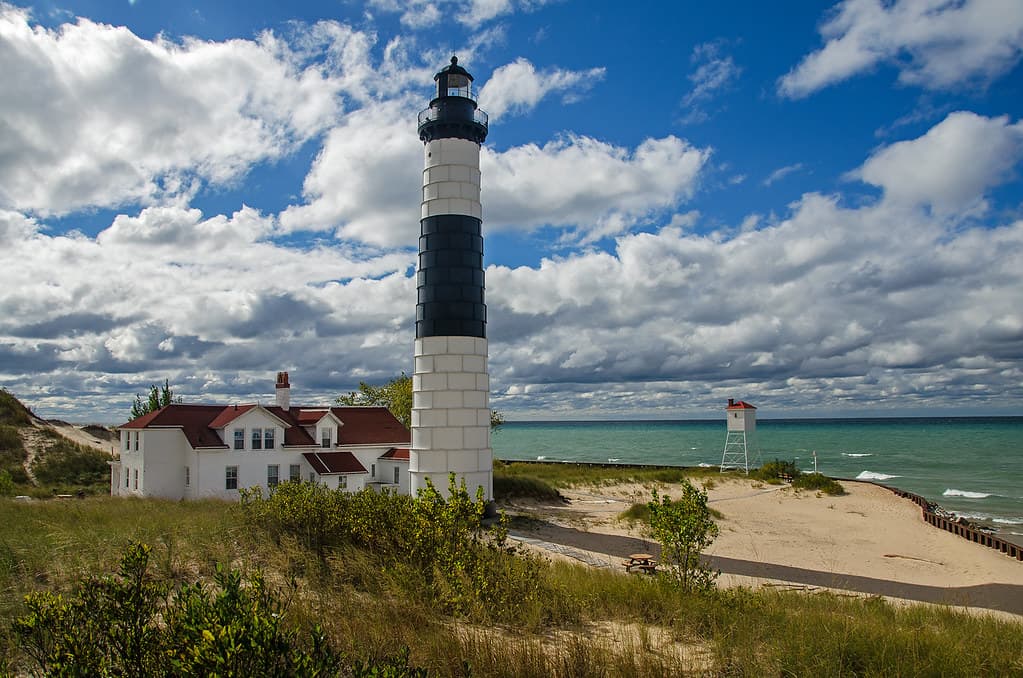
- Big Sable Point (Ludington): 112 steps, $5 donation
- Point Betsie (Frankfort): 37 feet, moderate climb
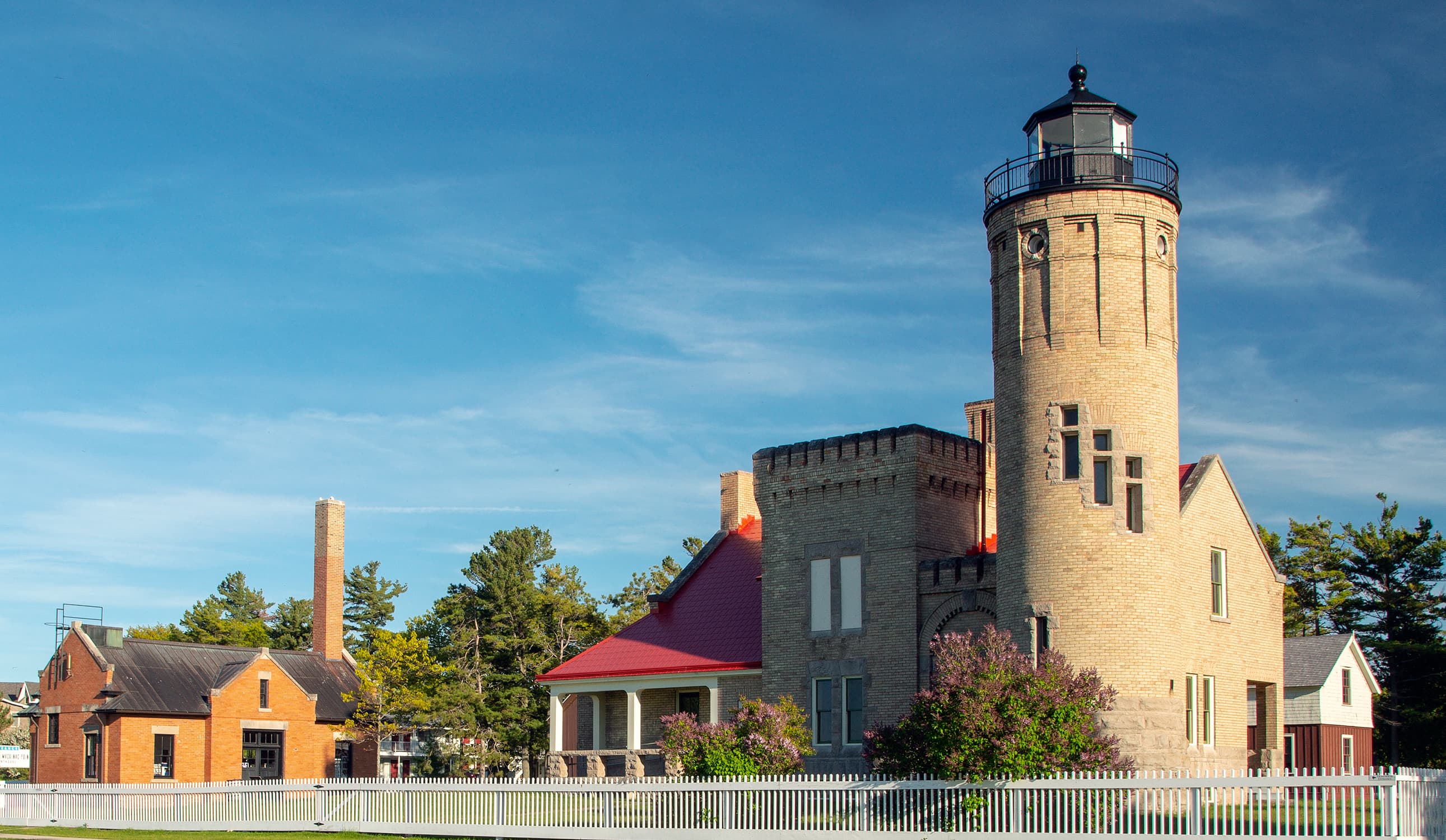
- Old Mackinac Point (Mackinaw City): 40 feet, seasonal tours
- Tawas Point (East Tawas): Limited seasonal access
- Seul Choix Point (Gulliver): 79 feet, excellent views
- Eagle Harbor (Keweenaw Peninsula): Seasonal climbs available
- White River Light Station (Whitehall): Tower tours by appointment
- Presque Isle Old Lighthouse (near Alpena): 30-foot tower
- South Haven South Pier: Not a traditional tower climb but accessible catwalk
Lighthouses with Limited or Special Access:
Au Sable Light Station in Pictured Rocks offers limited tower tours during summer months (check with National Park Service). Several island lighthouses like those on South Manitou and Beaver Island require ferry trips and may have restricted access.
Most tower climbs operate May through October, typically 10am-5pm. Hours vary, and some lighthouses open only on weekends in shoulder seasons. Always call ahead or check websites to confirm tower access.
Michigan Lighthouse Museums and Historical Sites
Educational Experiences
Many Michigan lighthouses feature museums that bring maritime history to life. These museums offer fascinating glimpses into lighthouse keeper life, Great Lakes shipping history, and local heritage.
Best Lighthouse Museums:
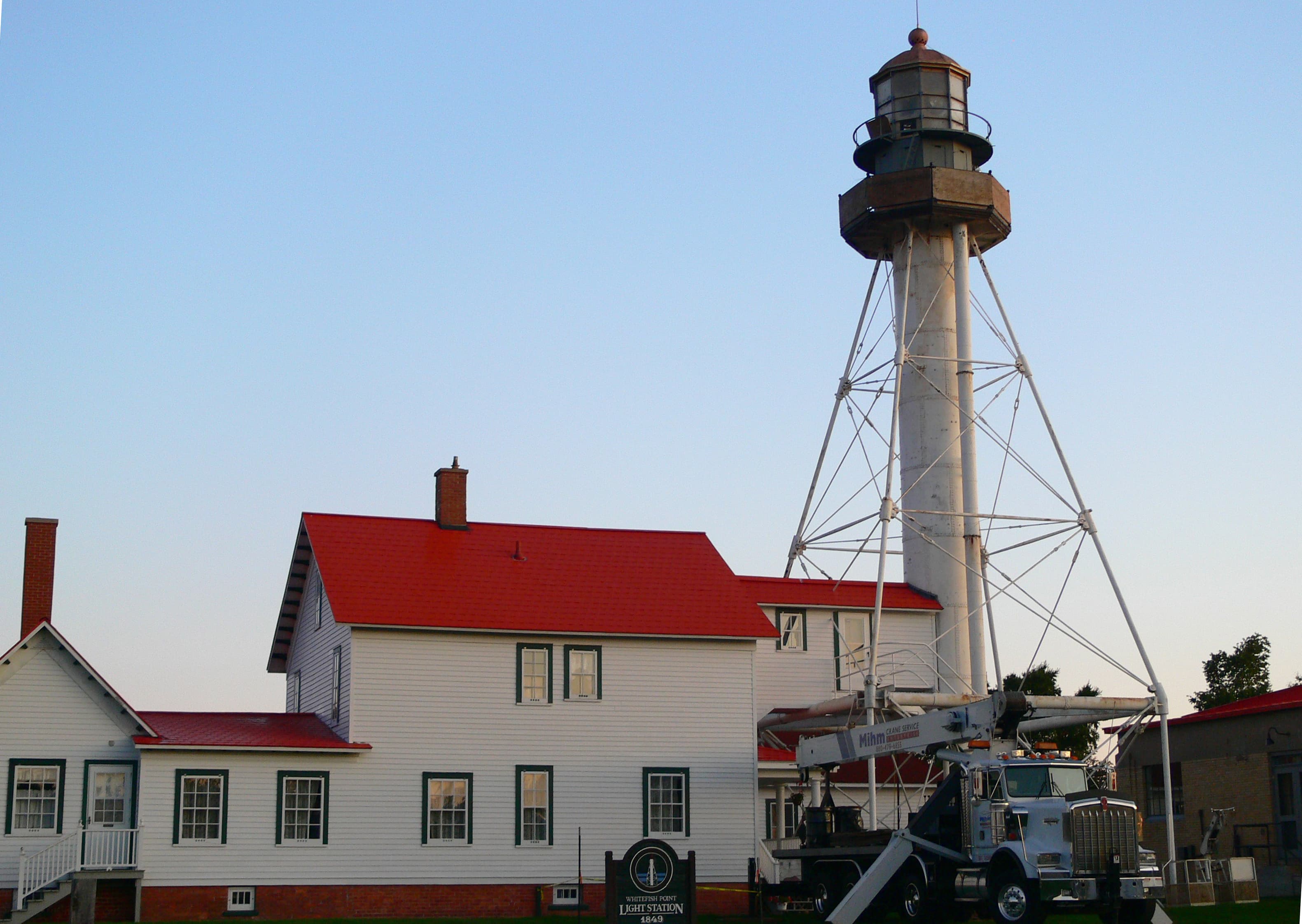
- Whitefish Point Light Station: Outstanding shipwreck museum featuring Edmund Fitzgerald artifacts and Great Lakes maritime history. Considered one of Michigan's best museums.
- Old Mackinac Point Lighthouse: Excellent restored keeper's quarters showing life in the early 1900s. Foghorn demonstrations are highlight.
- Point Betsie Lighthouse: Well-curated displays about lighthouse operations and local history in beautifully maintained keeper's quarters.
- Seul Choix Point: Extensive Great Lakes maritime artifacts and shipwreck exhibits. Known for paranormal history tours.
- Michigan Maritime Museum (South Haven): While not in a lighthouse, this museum offers comprehensive lighthouse and Great Lakes shipping exhibits.
- Eagle Harbor: Maritime museum featuring commercial fishing and copper mining history alongside lighthouse exhibits.
Most lighthouse museums charge $3-10 admission. Many are staffed by passionate volunteers who offer fascinating stories beyond the exhibits. Museums typically operate May through October, with some having extended summer hours.
Best Lighthouses for Photography
Top Photo Opportunities
Michigan lighthouses offer endless photography opportunities. Whether you're a professional photographer or taking smartphone photos, these lighthouses deliver stunning results.
Most Photogenic Lighthouses:
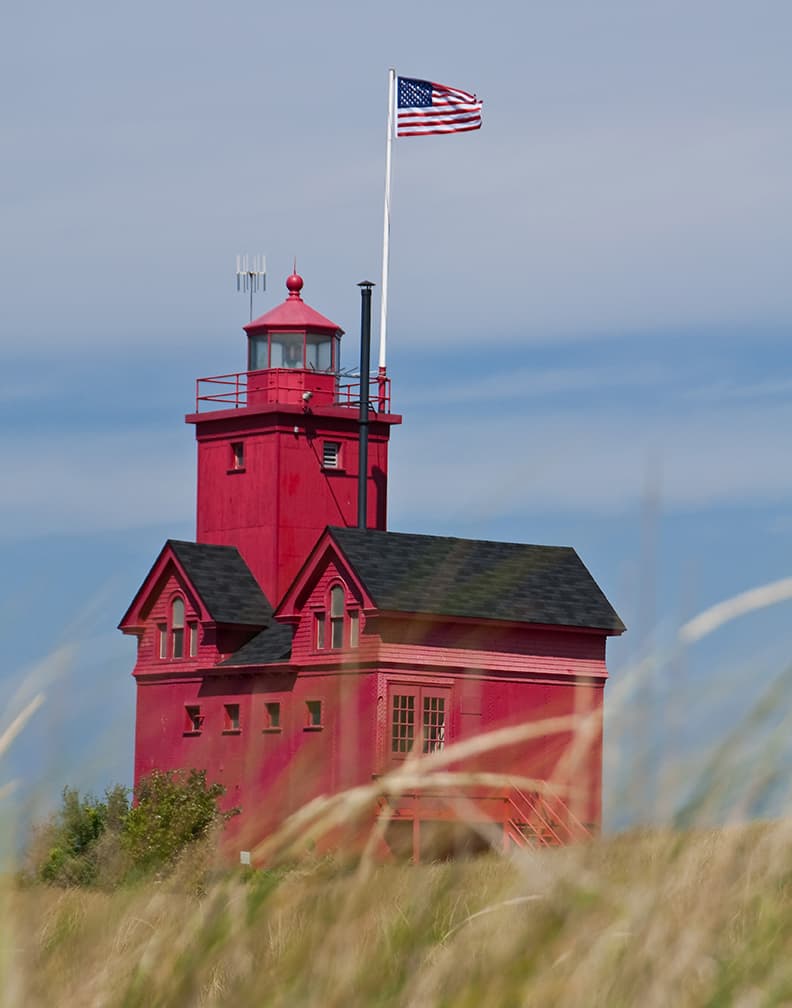
- Holland Harbor (Big Red): Vibrant red color and classic architecture make it endlessly photogenic. Best at sunset.
- Au Sable Light Station: Dramatic cliffside location with Pictured Rocks backdrop. Morning light is best.
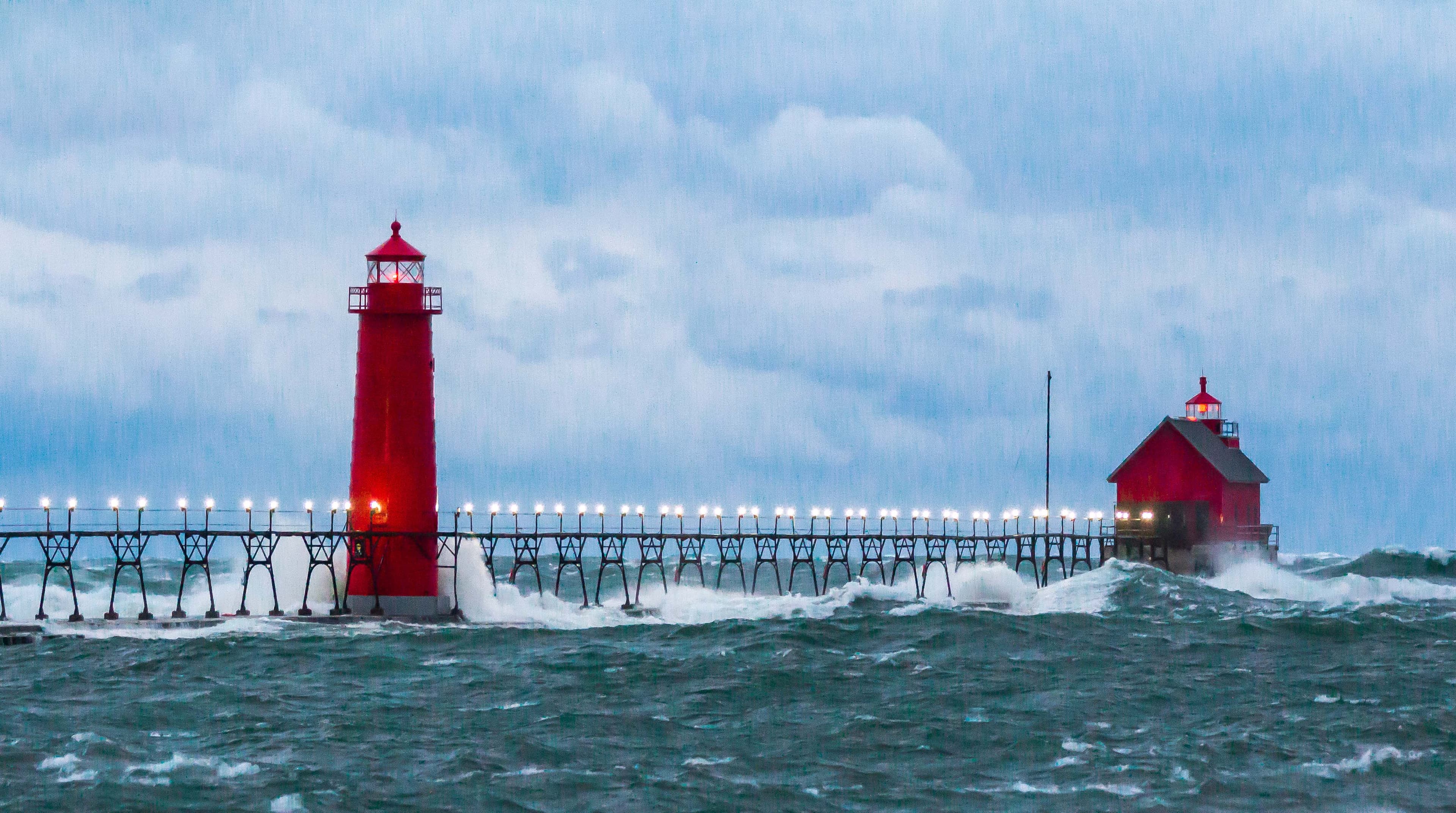
- Grand Haven Pier Lights: Long catwalk connecting two lights creates iconic silhouettes at sunset. Storm photos are dramatic.
- Point Betsie: White tower against blue Lake Michigan. Sunset and blue hour provide best light.
- White Shoal: Red and white spiraling stripes make it unique (requires boat to photograph).
- Crisp Point: Remote location means pristine beach and no distractions. Any time of day works.
- Old Mackinac Point: Unique with Mackinac Bridge in background. Blue hour creates magical photos.
Photography Tips:
- Visit during golden hour (first/last hour of sunlight) for warm, flattering light
- Overcast days work well for lighthouse photography, providing even lighting
- Include foreground elements (rocks, driftwood, wildflowers) for depth
- Storm photography can be dramatic but stay safe—waves can be dangerous
- Long exposures smooth water and create dreamy effects (bring tripod)
- Winter ice formations offer unique photo opportunities but can be hazardous
- Check lighthouse orientation to determine best time for front-lit photos
Free vs. Paid Lighthouse Visits
Understanding Costs and Fees
Visiting Michigan lighthouses ranges from completely free to moderate fees. Understanding the cost structure helps with trip planning and budgeting.
Free Exterior Viewing:
Most lighthouses can be viewed from outside at no cost. Pier lights like those in Grand Haven, Holland, South Haven, and St. Joseph are free to approach. Remote lighthouses like Crisp Point request donations but don't require fees.
State Park Fees:
Many lighthouses are located in Michigan State Parks, requiring a Recreation Passport for vehicle entry: $12/year for Michigan residents, $34 for non-residents. This passport grants access to all Michigan state parks and recreation areas, making it excellent value if visiting multiple lighthouse locations.
Lighthouses in state parks include Holland Harbor, Point Betsie, Ludington (Big Sable), Tawas Point, and many others. Purchase the passport when entering your first state park, or buy it when renewing Michigan vehicle registration.
Tower Tour Fees:
Tower climbs typically cost $3-10 per person. For example:
- Big Sable Point: $5 suggested donation
- Old Mackinac Point: $8 adults, $4.50 children (includes museum)
- Seul Choix Point: $6 adults, $3 children
- Point Betsie: Suggested $5 donation
National Park Lighthouses:
Au Sable Light Station in Pictured Rocks National Lakeshore requires a National Park entrance fee ($25/vehicle for 7 days) or America the Beautiful Pass ($80/year). The pass covers all National Parks and federal recreation areas.
Island Lighthouses:
Lighthouses on islands like South Manitou or Beaver Island require ferry costs ($40-60 per person round trip), which can add significantly to your lighthouse visit budget.
Budget Planning:
For a week-long lighthouse trip, budget approximately $50-100 per person for lighthouse-specific costs (state park pass + tower tours + one island ferry). This excludes lodging, meals, and gas.
Best Times to Visit Michigan Lighthouses
Seasonal Considerations
Michigan's four distinct seasons each offer unique lighthouse experiences. Choosing the right time depends on your priorities and what you hope to experience.
Summer (June-August): Peak Season
- All lighthouse museums and tours operating
- Best weather and longest daylight hours
- Warmest water temperatures (for coastal activities)
- Biggest crowds, especially July-August weekends
- Higher lodging costs near popular lighthouses
- Beach activities complement lighthouse visits
Summer is ideal for families and first-time lighthouse visitors. Everything is open and accessible, though you'll share the experience with many other visitors.
Spring (April-May): Shoulder Season
- Fewer crowds, easier parking
- Dramatic weather creates moody photography
- Some lighthouse tours may not yet be operating
- Lower lodging costs
- Unpredictable weather requires flexibility
- Migrating birds offer wildlife photography opportunities
Spring visitors trade some convenience for solitude and lower costs. Late May offers the best balance of operating lighthouses and manageable crowds.
Fall (September-October): Beautiful but Shorter Season
- Spectacular fall colors frame lighthouses
- Comfortable temperatures for hiking to remote lighthouses
- Fewer summer crowds but still pleasant weather
- Some lighthouses begin closing in late September
- Excellent photography light
Fall is many photographers' favorite season. Early September offers nearly summer-like access with fewer crowds. By mid-October, many lighthouses have closed for winter.
Winter (November-March): Dramatic but Challenging
- Spectacular ice formations coat lighthouses
- Dramatic wave action during storms
- Nearly all lighthouse museums closed
- Dangerous conditions—icy piers and parking lots
- Solitude and unique photography opportunities
- Many remote lighthouses inaccessible
Winter lighthouse visits appeal to serious photographers and those seeking dramatic scenery. Never walk on icy piers—waves can knock you off, and ice can collapse. View from shore only.
Accessibility: Easy vs. Challenging Lighthouses
Planning for Physical Abilities
Michigan lighthouses range from fully accessible to requiring significant hiking. Understanding accessibility helps ensure everyone in your group can enjoy the visit.
Fully Accessible Lighthouses (Wheelchair/Stroller Friendly):
- Holland Harbor (Big Red): Paved pier walk
- Grand Haven pier lights: Paved boardwalk and pier
- South Haven South Pier: Paved access
- Old Mackinac Point: Accessible grounds and first floor museum
- Point Betsie: Accessible grounds (tower climbing requires ability to navigate stairs)
Easy Walking (Under 0.5 Miles, Mostly Flat):
- Tawas Point: Short walk from parking
- Seul Choix Point: Short paved path
- Eagle Harbor: Brief walk from parking
- Whitefish Point: Accessible parking and paths
Moderate Hiking (0.5-2 Miles Each Way):
- Au Sable Light: 1.5 miles, mostly flat forest trail
- Big Sable Point: 1.8 miles, sandy/boardwalk trail
- Little Sable Point: 1.5 miles, through Silver Lake State Park
- South Manitou Island: 1.5 miles after ferry landing
Challenging Access:
- Crisp Point: 20 miles on rough roads (high-clearance vehicle helpful)
- Copper Harbor: Requires boat tour to reach
- North and South Manitou Islands: Ferry plus hiking
- Rock of Ages: Boat access only, no landing allowed
Tower Climbing Considerations:
Most lighthouse towers involve narrow spiral staircases that may not be suitable for those with mobility challenges, claustrophobia, or fear of heights. Towers typically require climbing 40-100+ steps. Check specific lighthouse websites for exact step counts and difficulty ratings.
Lighthouse Preservation and Support
How to Help Michigan's Maritime Heritage
Many Michigan lighthouses survive through dedicated volunteer efforts and preservation organizations. When you visit, you're supporting these important conservation efforts.
How Your Visit Helps:
- Admission fees fund restoration and maintenance
- Gift shop purchases support preservation organizations
- Donations (many lighthouses are nonprofit-operated)
- Increased visitation demonstrates community value
Volunteer Opportunities:
Many lighthouse organizations welcome volunteers for tours, maintenance, fundraising, and special events. Long-term volunteers can sometimes serve as lighthouse keepers. Organizations like the Great Lakes Lighthouse Keepers Association coordinate volunteer efforts across multiple lighthouses.
Staying Overnight:
Several Michigan lighthouses offer overnight accommodations, with proceeds supporting preservation:
- Big Bay Point Lighthouse B&B
- Sand Hills Lighthouse Inn
- Beaver Island Head Lighthouse
Preservation Challenges:
Michigan's lighthouses face ongoing challenges from weather, waves, and age. Many are over 150 years old and require constant maintenance. Remote lighthouses face additional challenges from limited access and vandalism. Your visits, donations, and advocacy help ensure these historic structures survive for future generations.
Essential Lighthouse Visiting Tips
What to Bring: Camera or smartphone, comfortable walking shoes, layers (lake weather changes quickly), water bottle, cash for tours and donations, binoculars for distant lighthouses, sunscreen and hat, Michigan Recreation Passport.
Safety First: Never walk on piers during storms or when they're icy. Waves can knock you off and conditions change rapidly. Stay behind barriers and respect closures. Watch children carefully near water and edges.
Respect Private Property: Some Michigan lighthouses remain private residences or have restricted areas. Always respect "No Trespassing" signs and private property boundaries. View only from public access areas.
Time Your Visit: Allow 30-45 minutes for pier lighthouses, 1-2 hours for lighthouses with museums, and 2-3 hours for lighthouses requiring hikes. Add extra time for photography and unexpected discoveries.
Frequently Asked Questions
Explore More Michigan Destinations
January 15, 2026
Lighthouses10 Most Beautiful Lighthouses in Michigan
Discover the 10 most beautiful lighthouses in Michigan, from the iconic Big Red in Holland to the remote Au Sable Light Station. Complete guide to visiting Michigan's most stunning lighthouses.
January 15, 2026
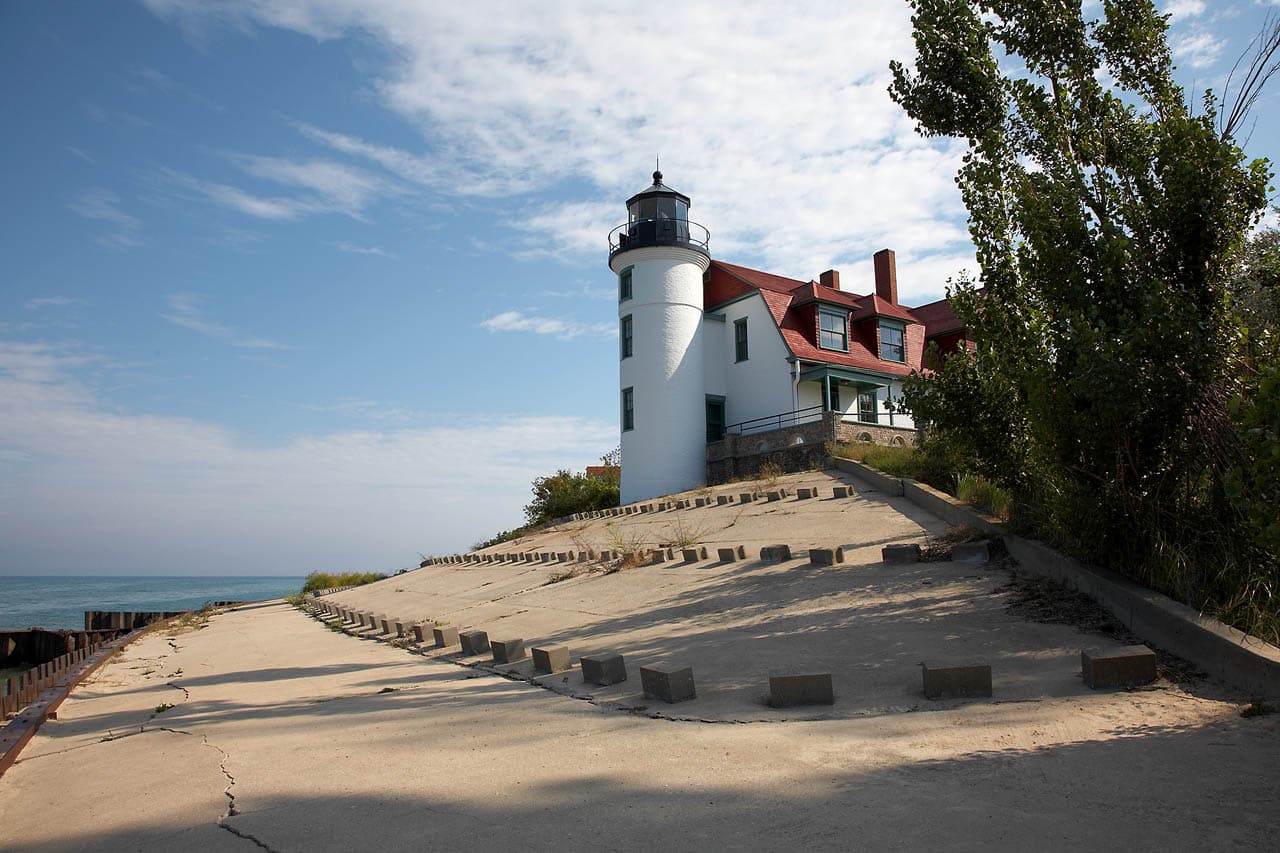
LighthousesMichigan Lighthouse Road Trip: Ultimate 7-Day Itinerary
Plan the perfect Michigan lighthouse road trip with this comprehensive 7-day itinerary covering the best lighthouse routes, driving distances, and where to stay along the way.
January 16, 2026
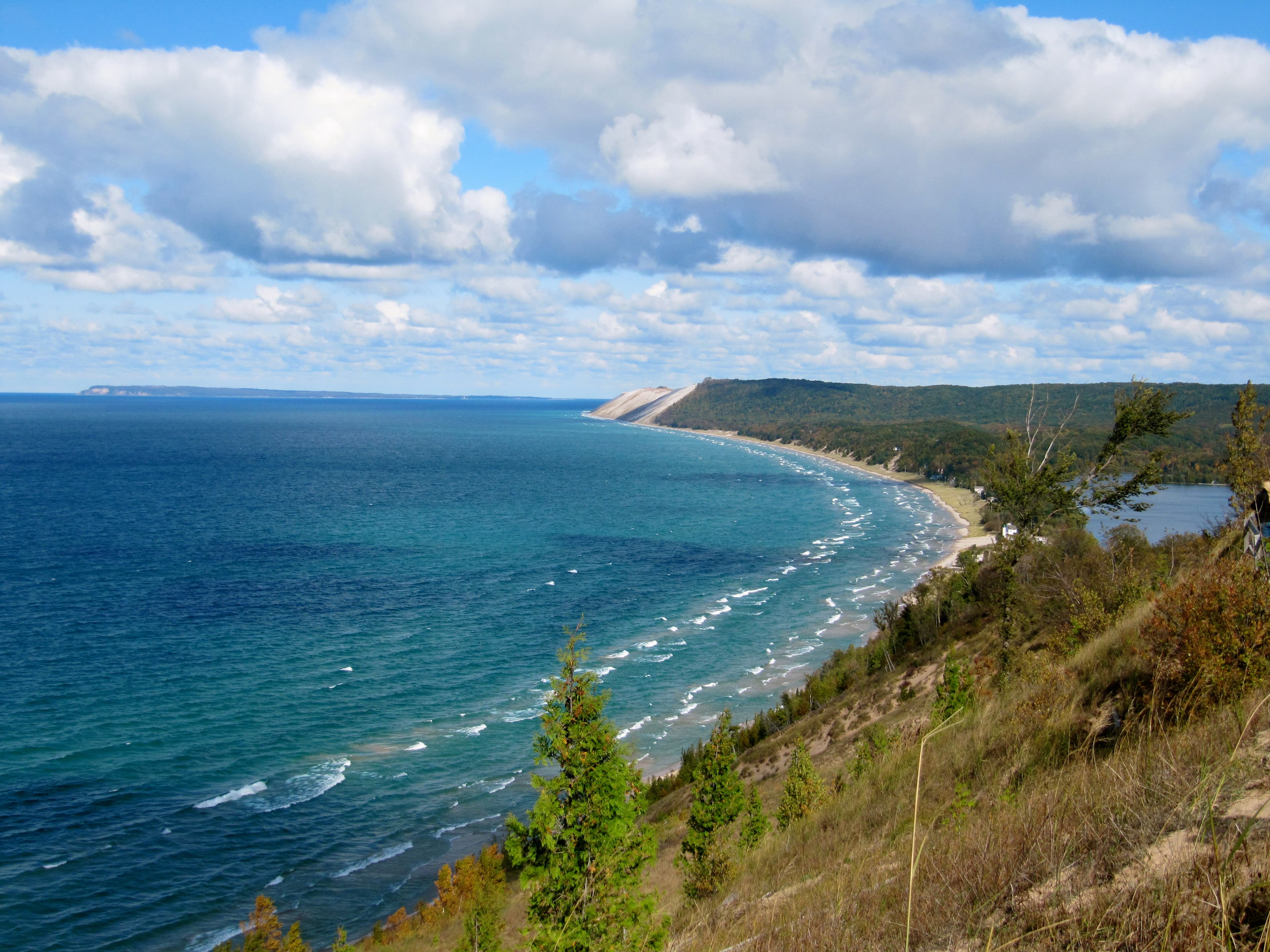
Beaches15 Best Beaches in Michigan for Summer
Discover the 15 best Michigan beaches for summer, from the iconic Warren Dunes to peaceful Good Harbor Beach. Your complete guide to swimming, sunbathing, and summer beach adventures.