10 Must-Visit Destinations in Michigan
From pristine national parks to vibrant cities, discover the destinations that make Michigan one of America's most remarkable states to explore.
Michigan is home to some of the most beautiful and unique destinations in the United States. From the towering sand dunes of Sleeping Bear to the historic charm of Mackinac Island, the Great Lakes State offers experiences you won't find anywhere else.
Whether you're planning your first visit or you're a lifelong resident looking for new places to explore, these 10 destinations represent the best of what Michigan has to offer. Each one offers something unique, from natural wonders to cultural experiences, and together they showcase why Michigan is such a special place to visit.
Top 10 Must-Visit Destinations
Sleeping Bear Dunes National Lakeshore
Glen Arbor, Michigan
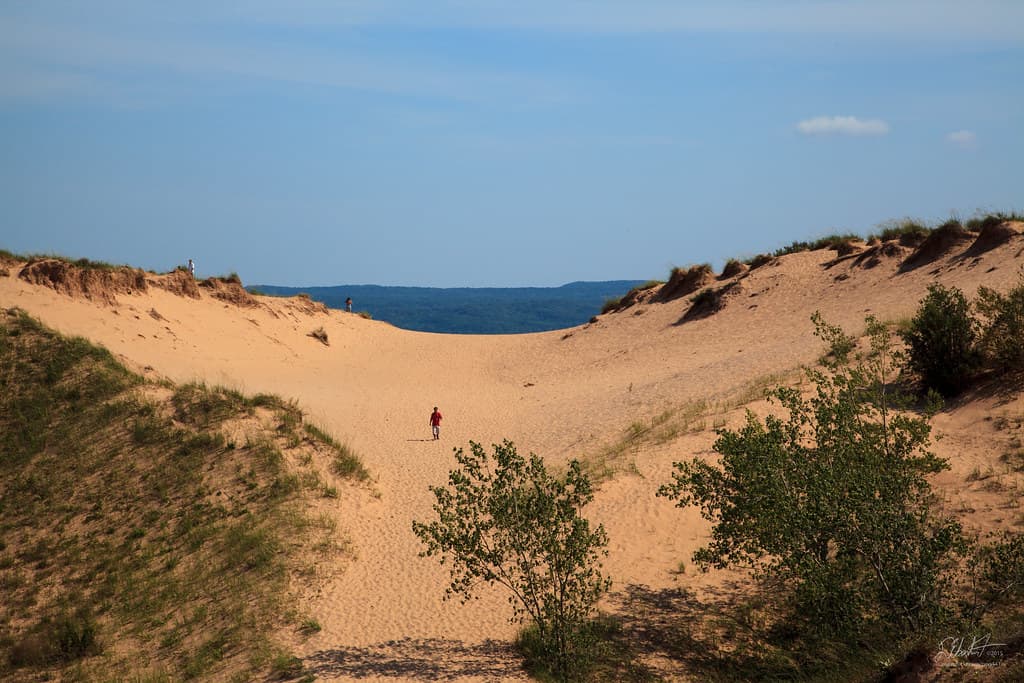
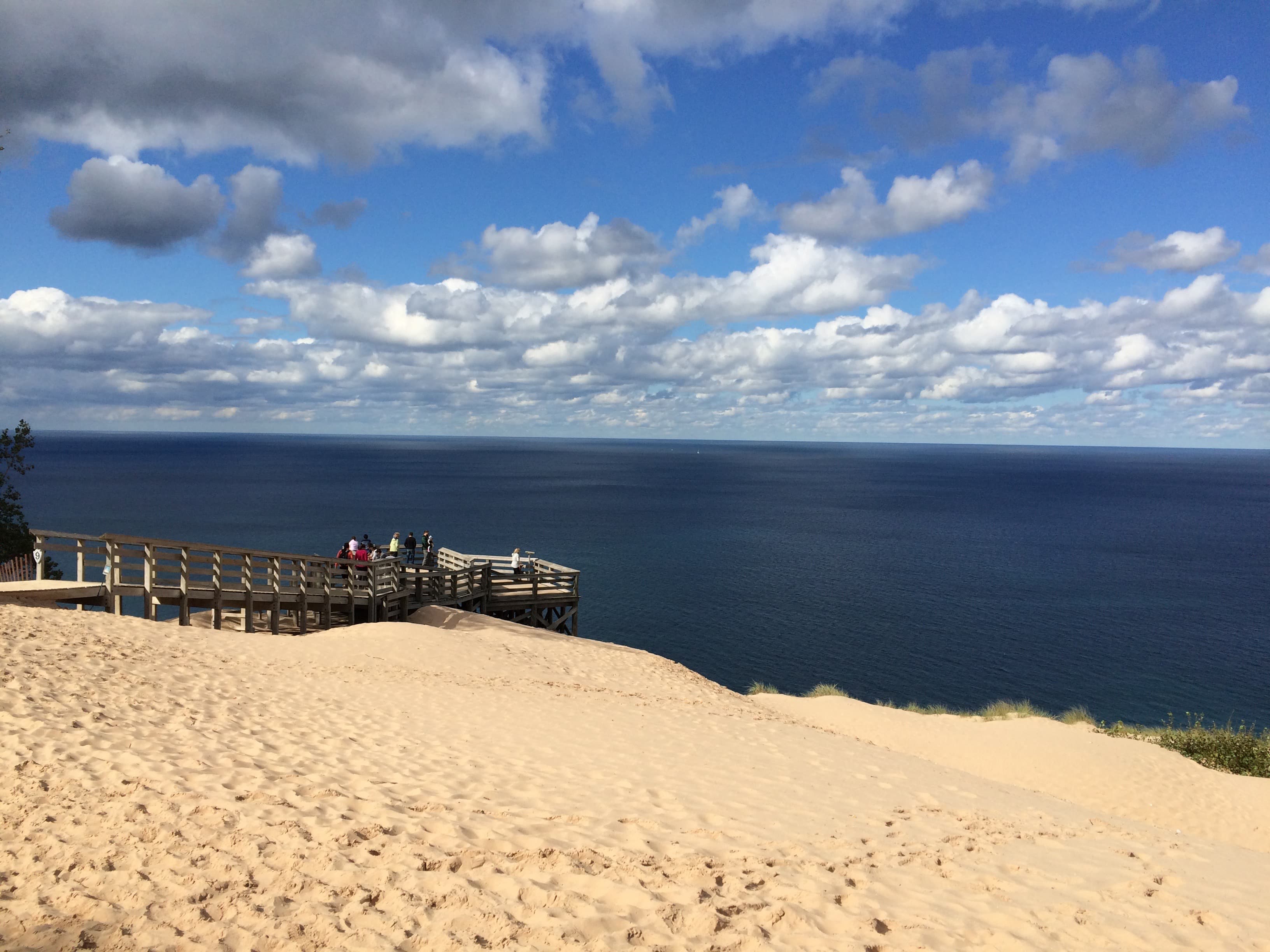
Towering sand dunes that overlook Lake Michigan, offering some of the most spectacular views in the Midwest. Climb the dunes, explore the beaches, or hike through pristine forests.
Sleeping Bear Dunes National Lakeshore spans 35 miles of Lake Michigan's eastern coastline and encompasses over 71,000 acres of protected wilderness. This natural wonder was named after a Chippewa legend about a mother bear and her two cubs who swam across Lake Michigan, with the mother bear becoming the Sleeping Bear Dune and her cubs forming the Manitou Islands.
Natural Features and Activities
The park features massive sand dunes that rise up to 450 feet above Lake Michigan, creating one of the most dramatic landscapes in the Midwest. Beyond the famous Dune Climb, visitors can explore 100 miles of hiking trails, pristine beaches, and historic sites. The park is home to diverse ecosystems including forests, wetlands, and freshwater lakes.
Best Times to Visit
Summer brings warm temperatures perfect for beach activities, while fall offers stunning foliage, and winter transforms the dunes into a snowy wonderland ideal for cross-country skiing and snowshoeing.
Don't Miss: The Dune Climb is a must-do experience, offering panoramic views of Lake Michigan from 450 feet above.
Mackinac Island
Lake Huron, Michigan
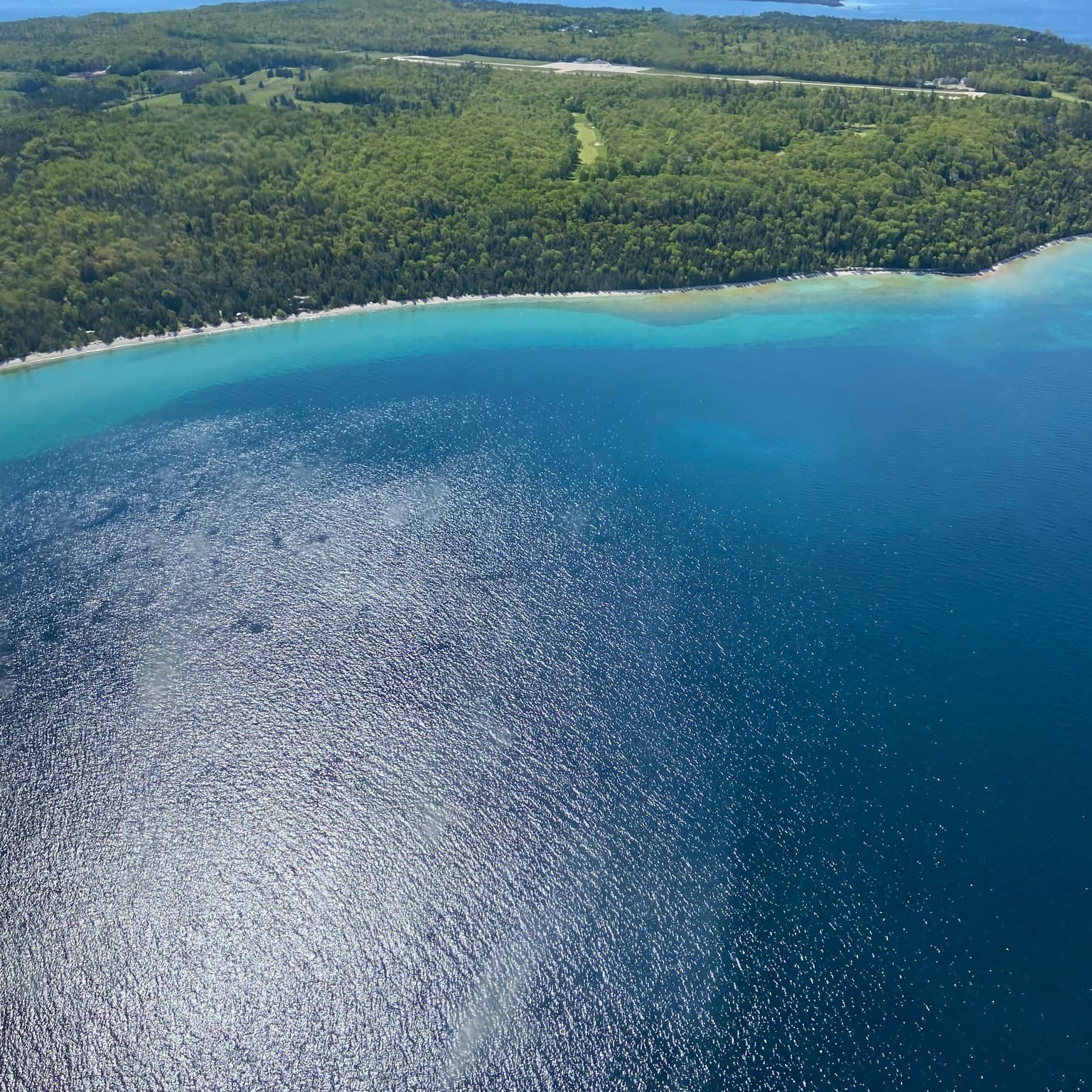
Step back in time on this car-free island where horse-drawn carriages and bicycles are the main modes of transportation. Rich in history, natural beauty, and world-famous fudge.
Mackinac Island offers a unique step back in time, where motor vehicles have been banned since 1898. This 3.8-square-mile island in Lake Huron is accessible only by ferry or private boat, preserving its historic charm and pristine environment. The island's Victorian architecture, preserved since the late 1800s, creates an atmosphere unlike anywhere else in America.
Exploring the Island
Beyond the famous fudge shops lining Main Street, visitors can explore 80 percent of the island's protected state park land, featuring limestone formations, scenic overlooks, and miles of hiking and biking trails. The island's natural beauty includes Arch Rock, a natural limestone arch formation, and numerous scenic overlooks offering panoramic views of the Great Lakes.
History and Culture
The island's history dates back to Native American settlements and became a strategic fur trading post before evolving into a summer resort destination. Today, visitors can experience everything from historic reenactments at Fort Mackinac to carriage tours, world-class golf, and stunning sunsets over the Straits of Mackinac.
Don't Miss: Fort Mackinac and the Grand Hotel are iconic landmarks, while the island's natural beauty is unmatched.
Pictured Rocks National Lakeshore
Upper Peninsula, Michigan
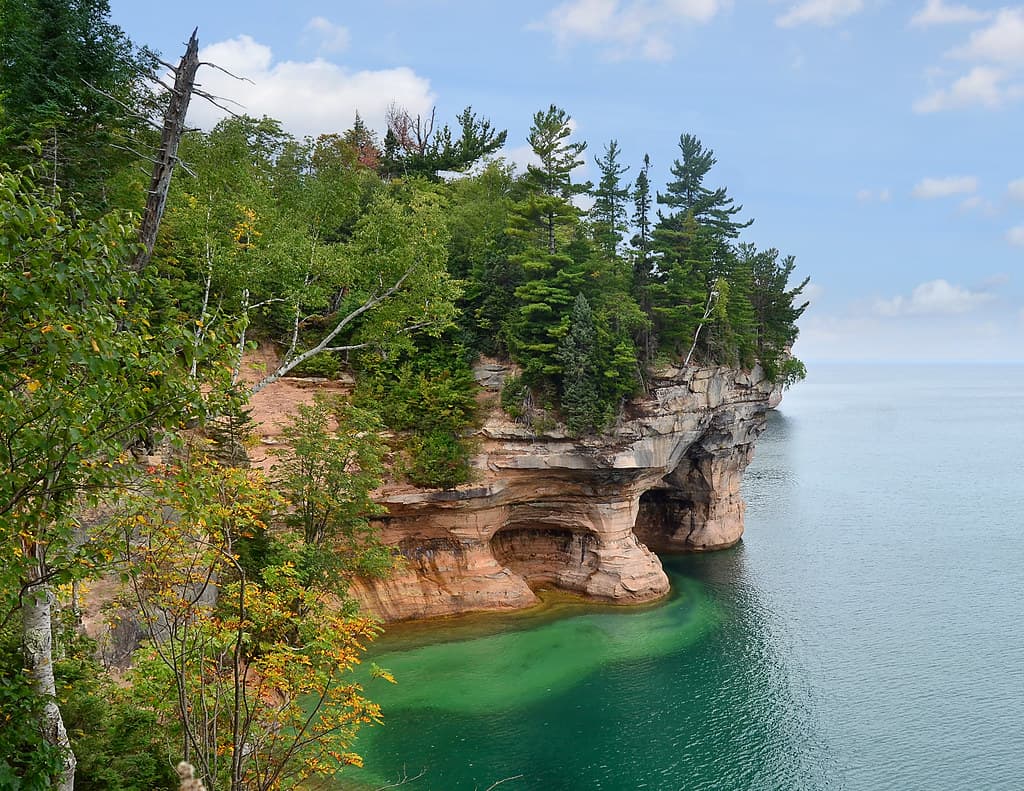
Stunning multicolored sandstone cliffs that rise 200 feet above Lake Superior. Best experienced by boat tour, kayak, or hiking the 42-mile Lakeshore Trail.
Pictured Rocks National Lakeshore stretches for 42 miles along Lake Superior's southern shore, featuring some of the most dramatic and colorful cliff formations in North America. The multicolored sandstone cliffs, formed over 500 million years ago, display stunning hues of red, orange, yellow, and white, creating a natural canvas that changes with the light throughout the day.
Natural Wonders
The park encompasses over 73,000 acres of pristine wilderness, including 12 miles of beaches, sand dunes, waterfalls, and inland lakes. Visitors can explore sea caves carved by waves, hike through old-growth forests, and witness waterfalls cascading directly into Lake Superior.
Wildlife and Activities
Wildlife is abundant, with opportunities to see black bears, white-tailed deer, and numerous bird species. The park offers year-round activities, from summer boating and hiking to winter ice climbing and snowshoeing. The pristine waters of Lake Superior provide excellent opportunities for kayaking, though the lake's cold temperatures and changing conditions require proper preparation and respect.
Historical Significance
The area is rich in history, from Native American settlements to early European explorers and the logging era.
Don't Miss: Pictured Rocks boat tours offer the best views of the colorful cliffs, sea caves, and waterfalls that cascade into the lake.
Tahquamenon Falls
Paradise, Michigan
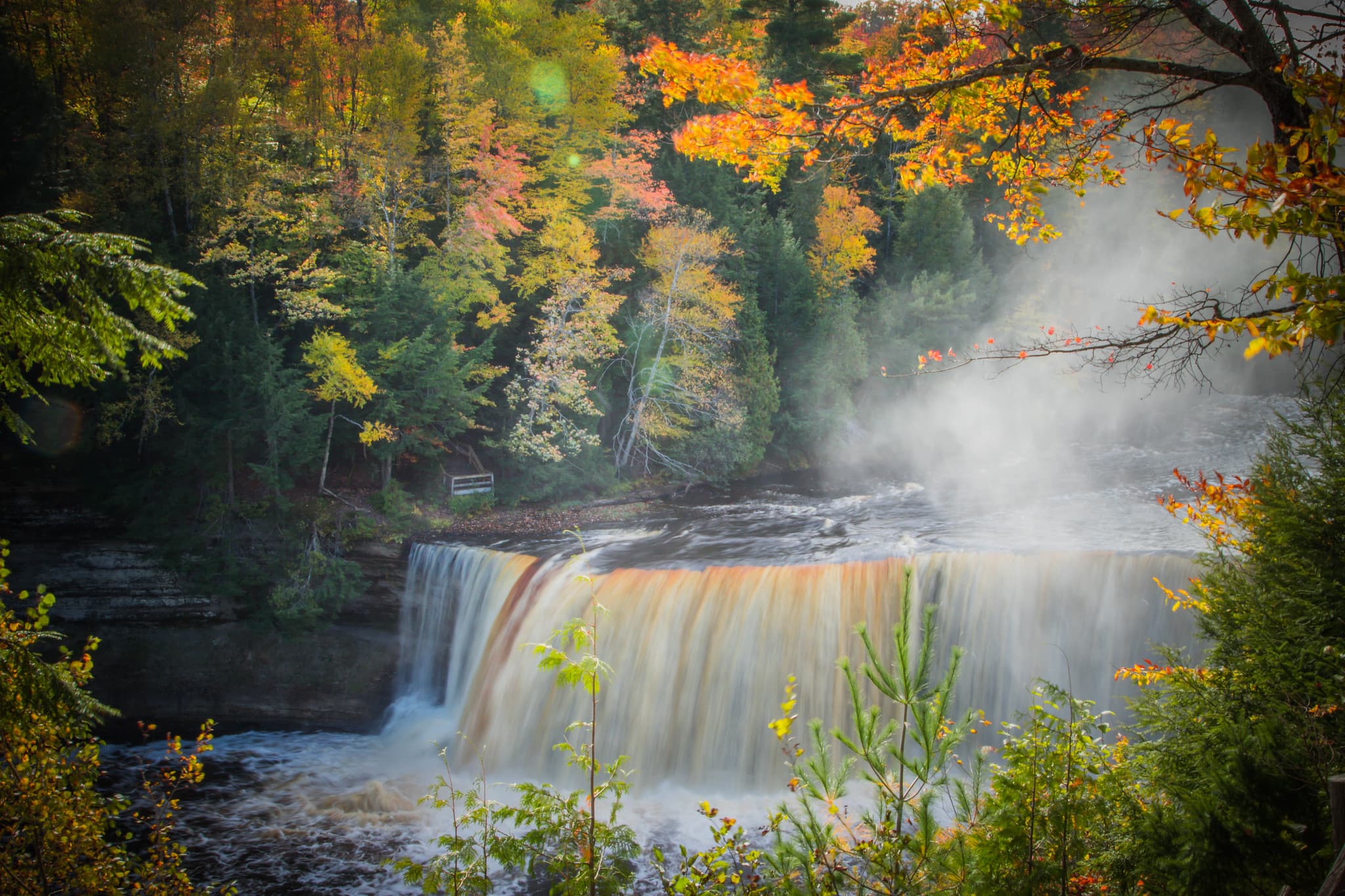
One of the largest waterfalls east of the Mississippi, with the Upper Falls spanning 200 feet wide and dropping 50 feet. The amber-colored water is unique and beautiful.
Tahquamenon Falls State Park encompasses nearly 50,000 acres of pristine Upper Peninsula wilderness, centered around one of the most impressive waterfall systems in the eastern United States. The Upper Falls, the park's crown jewel, is one of the largest waterfalls east of the Mississippi River, with a drop of nearly 50 feet and a width of over 200 feet.
The Falls
The falls' distinctive amber color comes from tannins leached from the cedar, spruce, and hemlock swamps that feed the Tahquamenon River. The park features two main falls areas connected by the Tahquamenon River, with the Lower Falls consisting of five smaller falls cascading around an island.
Hiking and Recreation
Visitors can explore over 35 miles of hiking trails, including the 4.5-mile River Trail connecting the Upper and Lower Falls. The park's remote location in the Upper Peninsula provides excellent opportunities for wildlife viewing, including black bears, moose, and numerous bird species.
Seasonal Experiences
The park is a year-round destination, with each season offering unique experiences. Fall brings spectacular color displays as the surrounding hardwood forests transform, while winter creates frozen waterfalls and excellent snowshoeing conditions.
Don't Miss: Visit Tahquamenon Falls State Park in fall for spectacular autumn colors, or in winter to see the falls partially frozen.
Detroit
Southeast Michigan
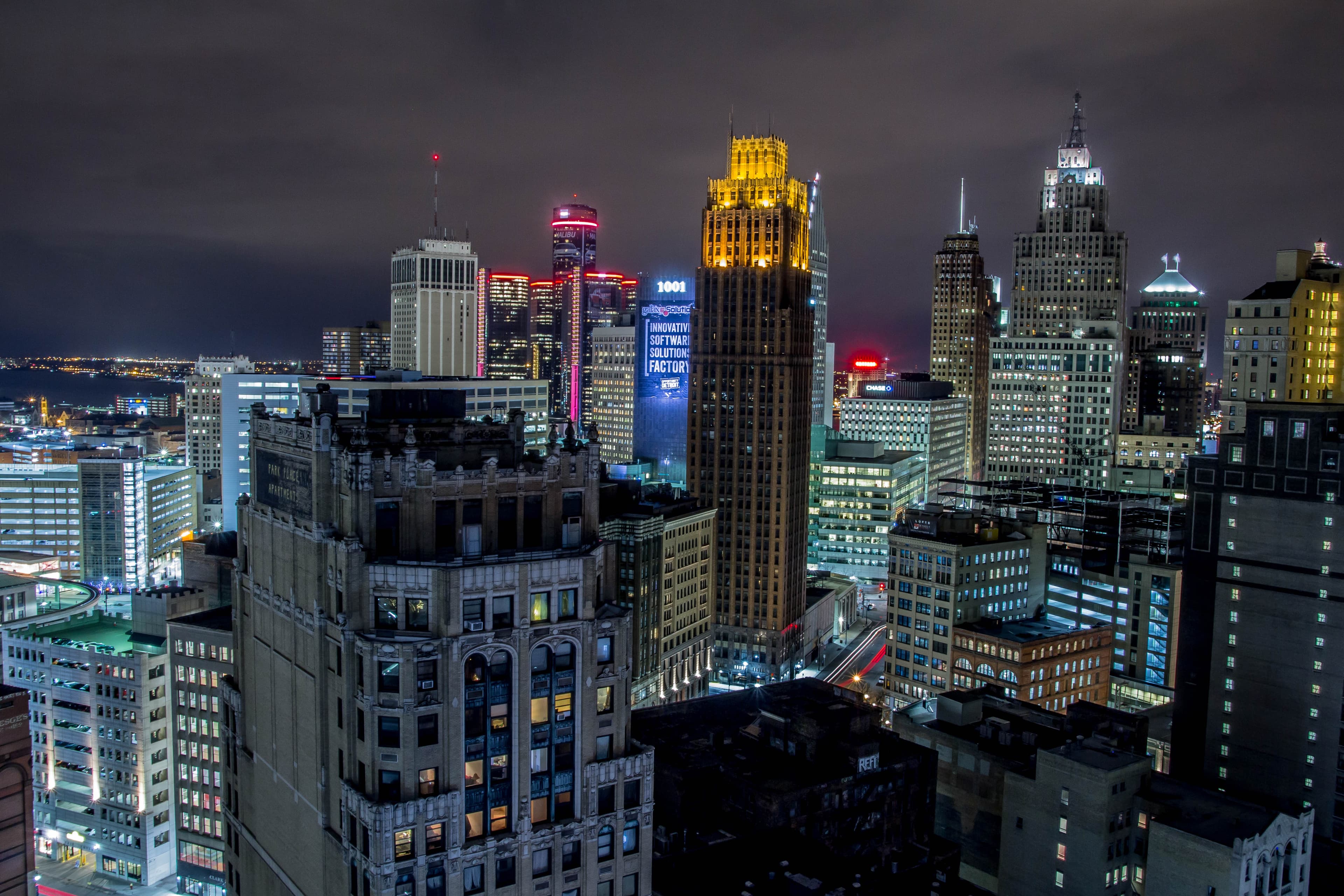
Michigan's largest city offers world-class museums, a thriving food scene, and a rich automotive and music heritage. From the Detroit Institute of Arts to Motown Museum, there's something for everyone.
Detroit, Michigan's largest city and the birthplace of the American automotive industry, has undergone a remarkable renaissance in recent years. The city's rich cultural heritage is on full display at world-class institutions like the Detroit Institute of Arts, which houses one of the most significant art collections in the United States, and the Motown Museum, where visitors can stand in the original recording studio where legends like Stevie Wonder and Diana Ross created timeless music.
Culinary and Entertainment Scene
Detroit's culinary scene has exploded with innovative restaurants, craft breweries, and food markets, particularly in neighborhoods like Corktown and Midtown. The city's music scene continues to thrive with venues hosting everything from jazz to techno.
Riverfront and Parks
The city's riverfront has been transformed into a beautiful public space, with the Detroit Riverwalk offering miles of pathways, parks, and stunning views of the Detroit River and Canada beyond. Belle Isle, a 982-acre island park in the Detroit River, features a conservatory, aquarium, nature center, and beautiful gardens.
Architecture and Sports
The revitalized downtown showcases stunning architecture, from the historic Guardian Building to modern developments. Detroit's sports culture is legendary, with professional teams in all four major sports.
Don't Miss: The Detroit Riverwalk, Belle Isle, and the revitalized downtown showcase Detroit's renaissance.
Ann Arbor
Southeast Michigan
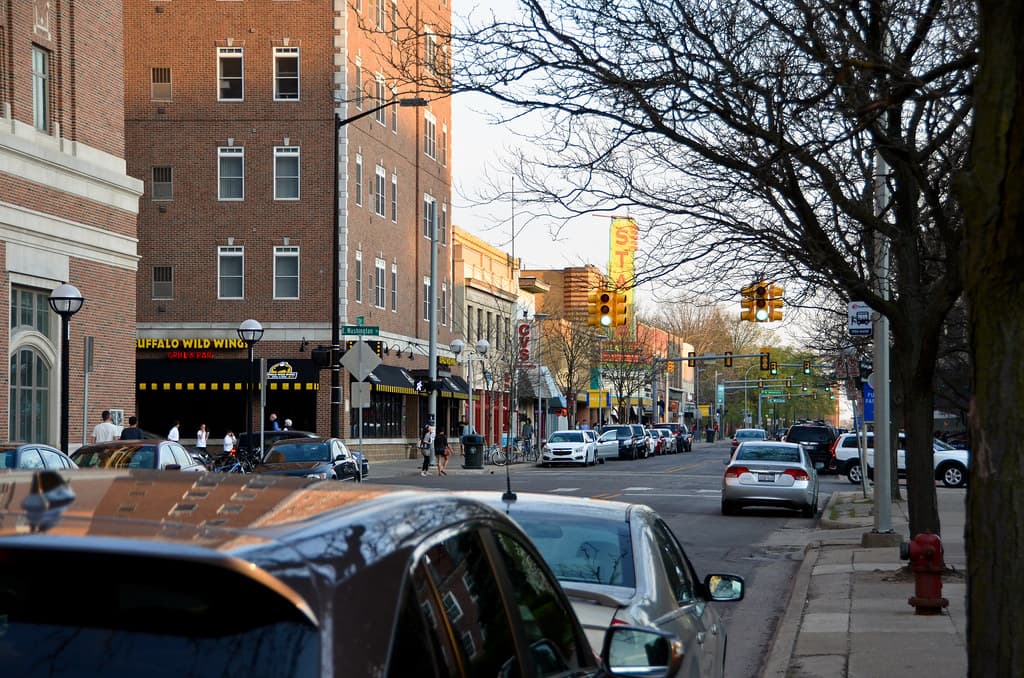
Home to the University of Michigan, Ann Arbor combines academic excellence with a vibrant arts scene, excellent restaurants, and beautiful parks. The Nichols Arboretum is a hidden gem.
Ann Arbor, home to the University of Michigan, seamlessly blends small-town charm with cosmopolitan sophistication. The city's vibrant downtown features an impressive array of independent bookstores, art galleries, and restaurants that reflect the community's diverse and educated population.
University and Culture
The University of Michigan's influence extends beyond campus, with world-class museums, performing arts venues, and cultural events open to the public. The Nichols Arboretum, a 123-acre natural area managed by the university, offers miles of trails through diverse ecosystems and stunning gardens.
Dining and Arts
Ann Arbor's food scene is exceptional, with farm-to-table restaurants, craft breweries, and the famous Zingerman's Delicatessen drawing visitors from around the world. The city's commitment to the arts is evident in its numerous galleries, theaters, and the annual Ann Arbor Art Fair, which transforms the downtown into one of the largest outdoor art exhibitions in the country.
Outdoor Recreation and Neighborhoods
The Huron River flows through the city, providing opportunities for kayaking, canoeing, and riverside parks. Ann Arbor's neighborhoods each have their own character, from the historic Kerrytown district to the eclectic South University area, all connected by a network of bike paths and walkable streets.
Don't Miss: The Ann Arbor Art Fair in July is one of the largest outdoor art fairs in the country.
Traverse City
Northern Michigan
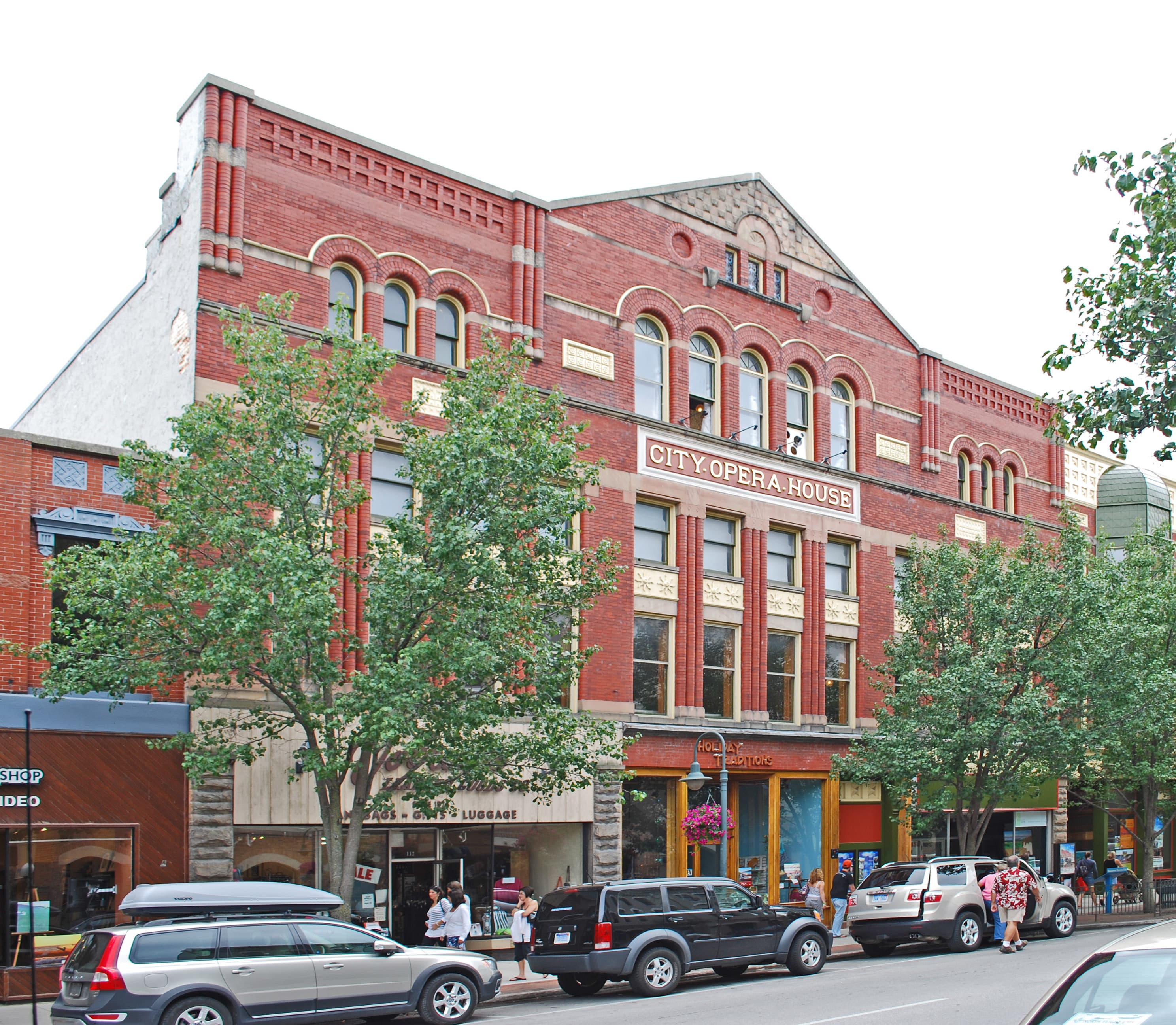
Known as the Cherry Capital of the World, Traverse City offers beautiful beaches, wineries, and access to Sleeping Bear Dunes. The National Cherry Festival in July is a highlight.
Traverse City, nestled on the shores of Grand Traverse Bay, serves as the gateway to Northern Michigan's natural beauty and recreational opportunities. The city's nickname, Cherry Capital of the World, reflects its agricultural heritage, with cherry orchards surrounding the area and the annual National Cherry Festival drawing hundreds of thousands of visitors each July.
Wine Country
Beyond cherries, Traverse City has emerged as a premier wine destination, with over 40 wineries in the region, particularly along the Old Mission and Leelanau Peninsulas. The Old Mission Peninsula, a narrow strip of land extending into Grand Traverse Bay, offers stunning views of Lake Michigan on both sides and is home to award-winning wineries, charming farms, and the historic Mission Point Lighthouse.
Dining and Downtown
Traverse City's downtown features a vibrant food scene, with farm-to-table restaurants, craft breweries, and artisanal food producers.
Outdoor Recreation
The city's location provides easy access to Sleeping Bear Dunes National Lakeshore, numerous state parks, and some of Michigan's most beautiful beaches. Outdoor recreation abounds year-round, from summer boating and fishing to winter skiing and snowshoeing. The area's natural beauty, combined with its cultural amenities, makes Traverse City a perfect destination for both relaxation and adventure.
Don't Miss: The Old Mission Peninsula offers stunning views and excellent wineries with Lake Michigan on both sides.
Isle Royale National Park
Lake Superior, Michigan
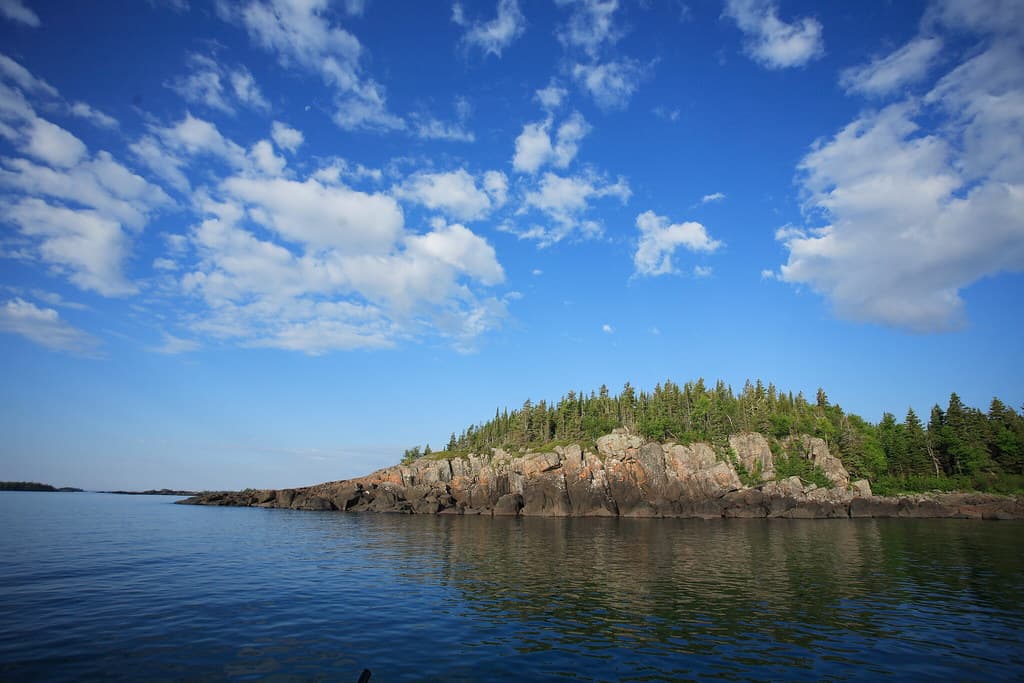
A remote wilderness island accessible only by boat or seaplane. Perfect for backpacking, kayaking, and wildlife viewing. Home to moose, wolves, and pristine wilderness.
Isle Royale National Park, located in the remote waters of Lake Superior, offers one of the most pristine wilderness experiences in the United States. This 45-mile-long island, accessible only by ferry or seaplane, is the least-visited national park in the lower 48 states, making it a true escape from modern life.
Wilderness and Wildlife
The park encompasses over 200 square miles of rugged wilderness, with 165 miles of hiking trails winding through boreal forests, along rocky shorelines, and past inland lakes. Isle Royale is world-renowned for its long-term ecological study of predator-prey relationships between moose and wolves, making it a living laboratory for wildlife research. The island's isolation has created unique ecosystems, with over 200 species of birds, including rare species like the common loon and peregrine falcon.
Activities and Recreation
Backpackers can explore the island's extensive trail system, while kayakers can paddle along the rugged coastline, exploring sea caves and hidden coves. The park's numerous inland lakes offer excellent fishing opportunities, and the clear, cold waters of Lake Superior provide world-class scuba diving.
Planning Your Visit
Visitors must be self-sufficient, as there are no stores or restaurants on the island, only a few rustic campgrounds and a small visitor center. This remoteness is part of the park's appeal, offering true solitude and connection with nature.
Don't Miss: This is a true wilderness experience. Plan ahead as it requires a ferry ride and camping reservations.
Frankenmuth
Central Michigan
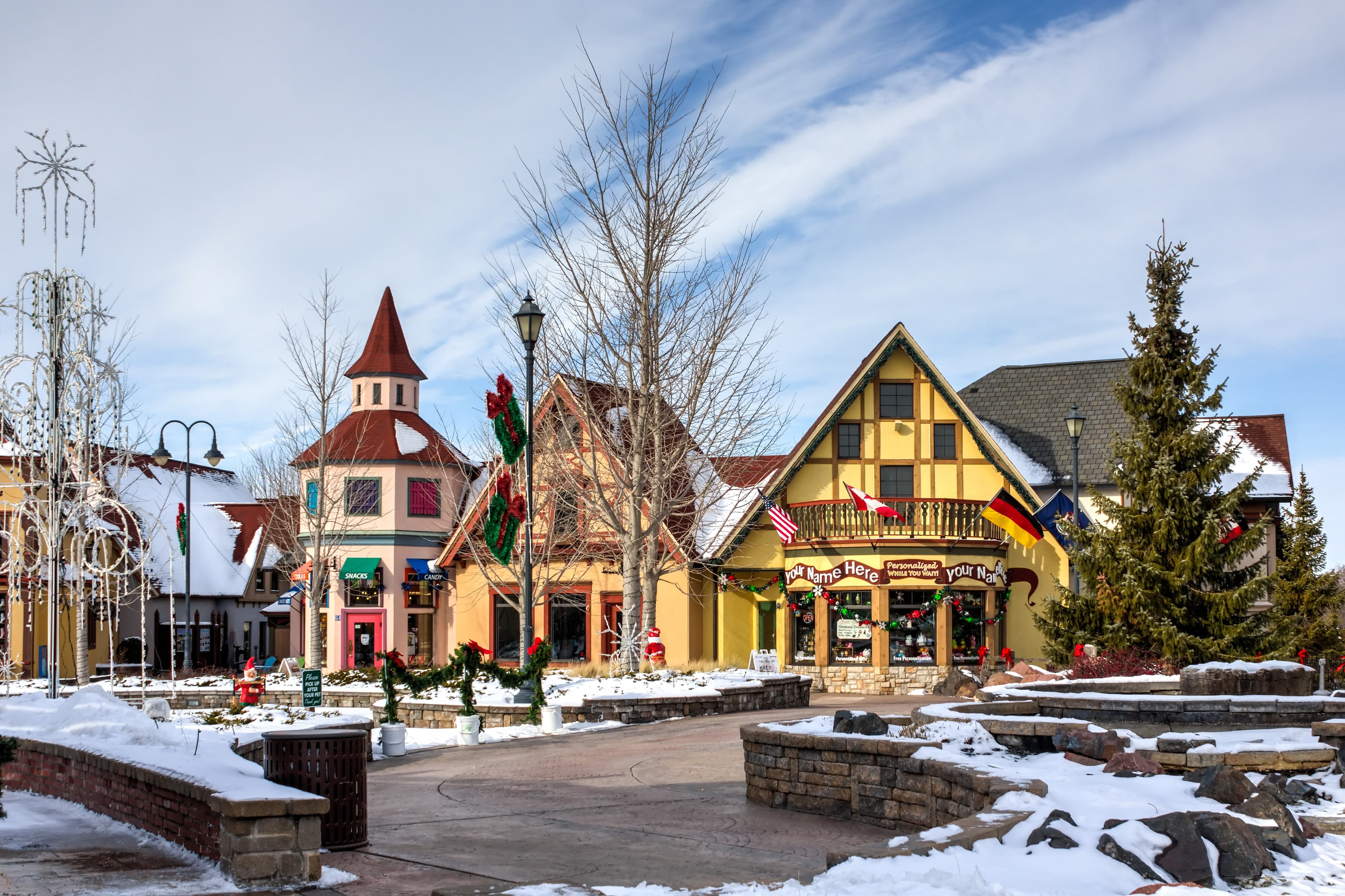
Michigan's Little Bavaria, known for its German heritage, Bronner's Christmas Wonderland (the world's largest Christmas store), and authentic German restaurants.
Frankenmuth, known as Michigan's Little Bavaria, offers a unique cultural experience that transports visitors to a German village in the heart of Michigan. Founded by German immigrants in 1845, the city has preserved its Bavarian heritage through architecture, festivals, and traditions. The main street features half-timbered buildings, flower boxes overflowing with blooms, and German-themed shops and restaurants.
Attractions and Shopping
Bronner's Christmas Wonderland, the world's largest Christmas store, spans over 7 acres and features over 50,000 trims and gifts, making it a year-round holiday destination.
Dining and Festivals
The city is famous for its family-style chicken dinners, served at both Zehnder's and Bavarian Inn, where diners enjoy all-you-can-eat chicken, mashed potatoes, buttered noodles, and other traditional sides in a festive atmosphere. Frankenmuth hosts numerous festivals throughout the year, including the Bavarian Festival in June, Oktoberfest celebrations, and Christmas events.
Culture and Recreation
The city's German heritage is celebrated through traditional music, dancing, and crafts. Beyond the German theme, Frankenmuth offers riverboat cruises on the Cass River, beautiful parks, and access to the surrounding Michigan countryside. The city's welcoming atmosphere and unique character make it a memorable destination for families and visitors of all ages.
Don't Miss: Zehnder's and Bavarian Inn serve family-style chicken dinners that are legendary in Michigan.
Holland
West Michigan
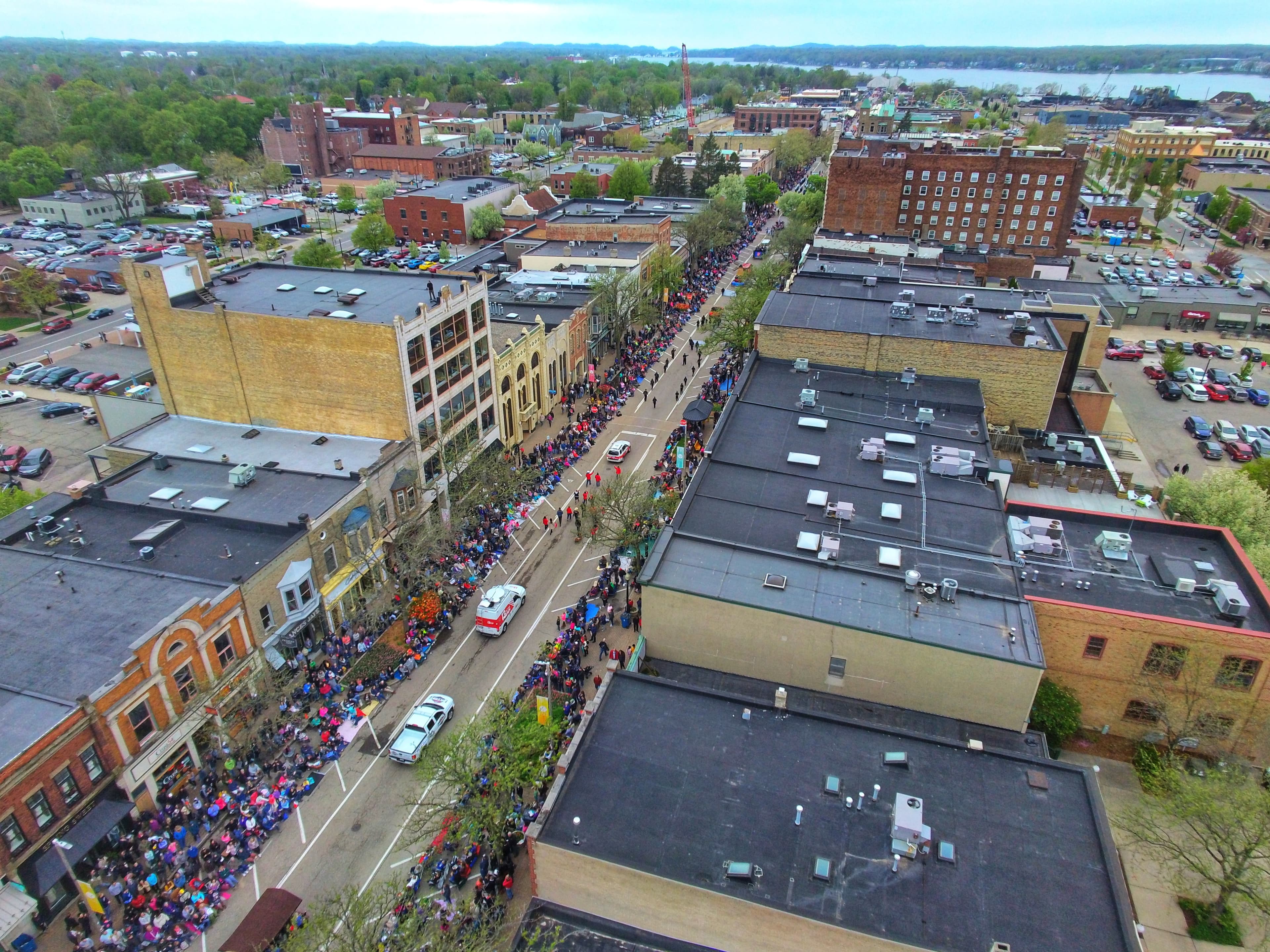
Experience Dutch heritage with authentic windmills, wooden shoes, and the annual Tulip Time Festival. Beautiful beaches on Lake Michigan and a charming downtown.
Holland, Michigan, offers a unique blend of Dutch heritage and Great Lakes beauty. Founded by Dutch immigrants in 1847, the city has preserved its cultural identity through authentic architecture, traditions, and annual celebrations.
Tulip Time Festival
The city's most famous attraction is the Tulip Time Festival, held each May when millions of tulips bloom throughout the city, creating a spectacular display of color. The festival features Dutch dancing, parades, traditional costumes, and cultural demonstrations.
Historic Sites and Museums
Holland is home to the only authentic, working Dutch windmill in the United States, De Zwaan, which stands in Windmill Island Gardens. The city's downtown features charming shops, restaurants, and the historic Cappon House and Settlers House museums, which offer insights into the lives of early Dutch settlers.
Beaches and Recreation
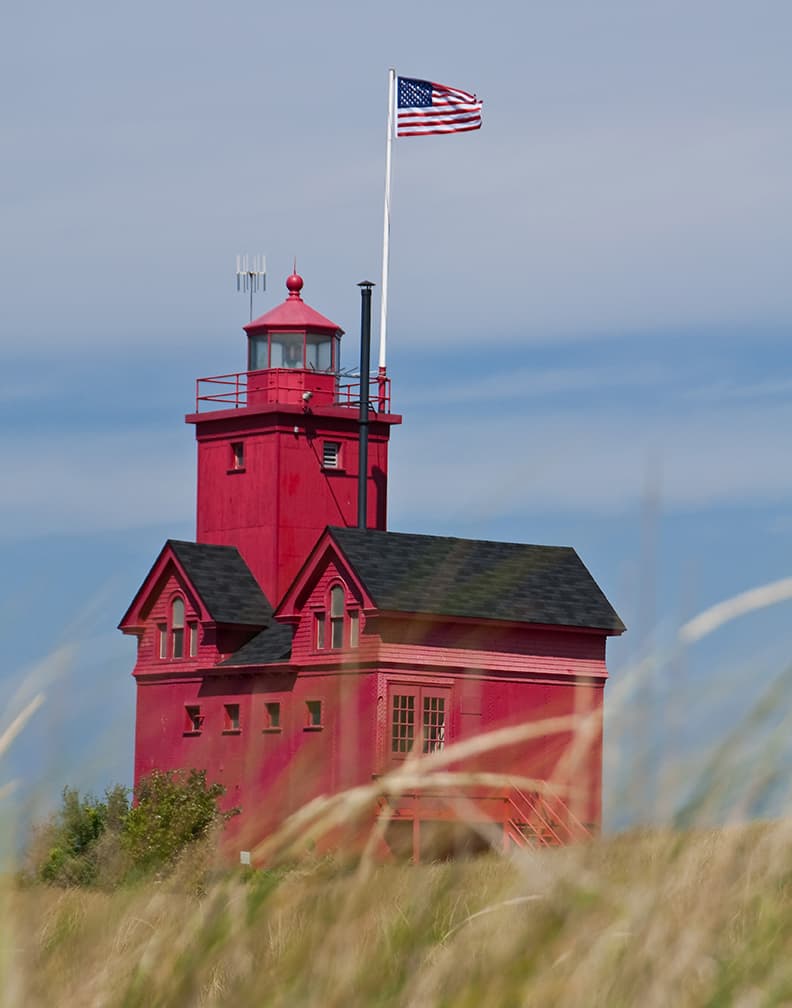
Beyond the Dutch heritage, Holland boasts some of Michigan's most beautiful beaches along Lake Michigan, including Holland State Park with its iconic Big Red Lighthouse. The city's location on Lake Macatawa provides opportunities for boating and water recreation, while nearby parks offer hiking, biking, and nature observation. Holland's commitment to preserving its heritage while embracing modern amenities makes it a delightful destination that offers both cultural enrichment and natural beauty.
Don't Miss: Visit in May during Tulip Time Festival to see millions of tulips in bloom throughout the city.
Planning Your Michigan Adventure
With so many incredible destinations to choose from, planning your Michigan trip can feel overwhelming. The good news is that Michigan's destinations are well-connected, making it easy to visit multiple places in a single trip. Many of these locations are within a few hours' drive of each other, allowing you to create an itinerary that includes both natural wonders and urban experiences.
Consider the time of year when planning your visit. Summer offers the best weather for beach activities and outdoor adventures, while fall brings spectacular color displays throughout the state. Winter transforms many destinations into snowy wonderlands perfect for skiing, snowshoeing, and cozy indoor activities. Spring brings wildflowers and milder temperatures ideal for hiking and exploring.
No matter which destinations you choose to visit, you're guaranteed to discover something special about Michigan. Each place on this list offers its own unique character and experiences that will create lasting memories. Start with one or two destinations that interest you most, and let your Michigan adventure unfold from there.
Frequently Asked Questions
Explore More Michigan Destinations
January 15, 2026
Lighthouses10 Most Beautiful Lighthouses in Michigan
Discover the 10 most beautiful lighthouses in Michigan, from the iconic Big Red in Holland to the remote Au Sable Light Station. Complete guide to visiting Michigan's most stunning lighthouses.
January 15, 2026
LighthousesMichigan Lighthouse Road Trip: Ultimate 7-Day Itinerary
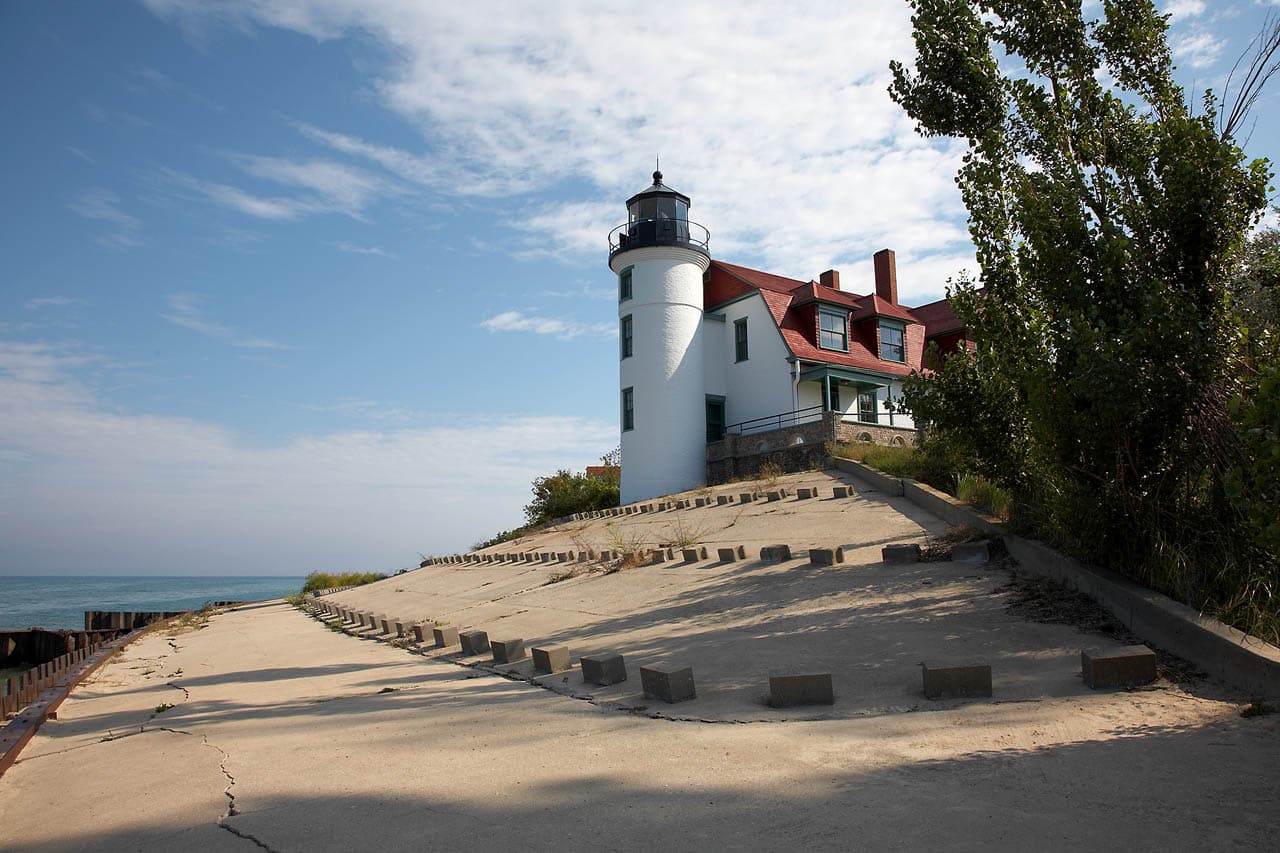
Plan the perfect Michigan lighthouse road trip with this comprehensive 7-day itinerary covering the best lighthouse routes, driving distances, and where to stay along the way.
January 15, 2026
LighthousesVisiting Michigan Lighthouses: Complete Practical Guide
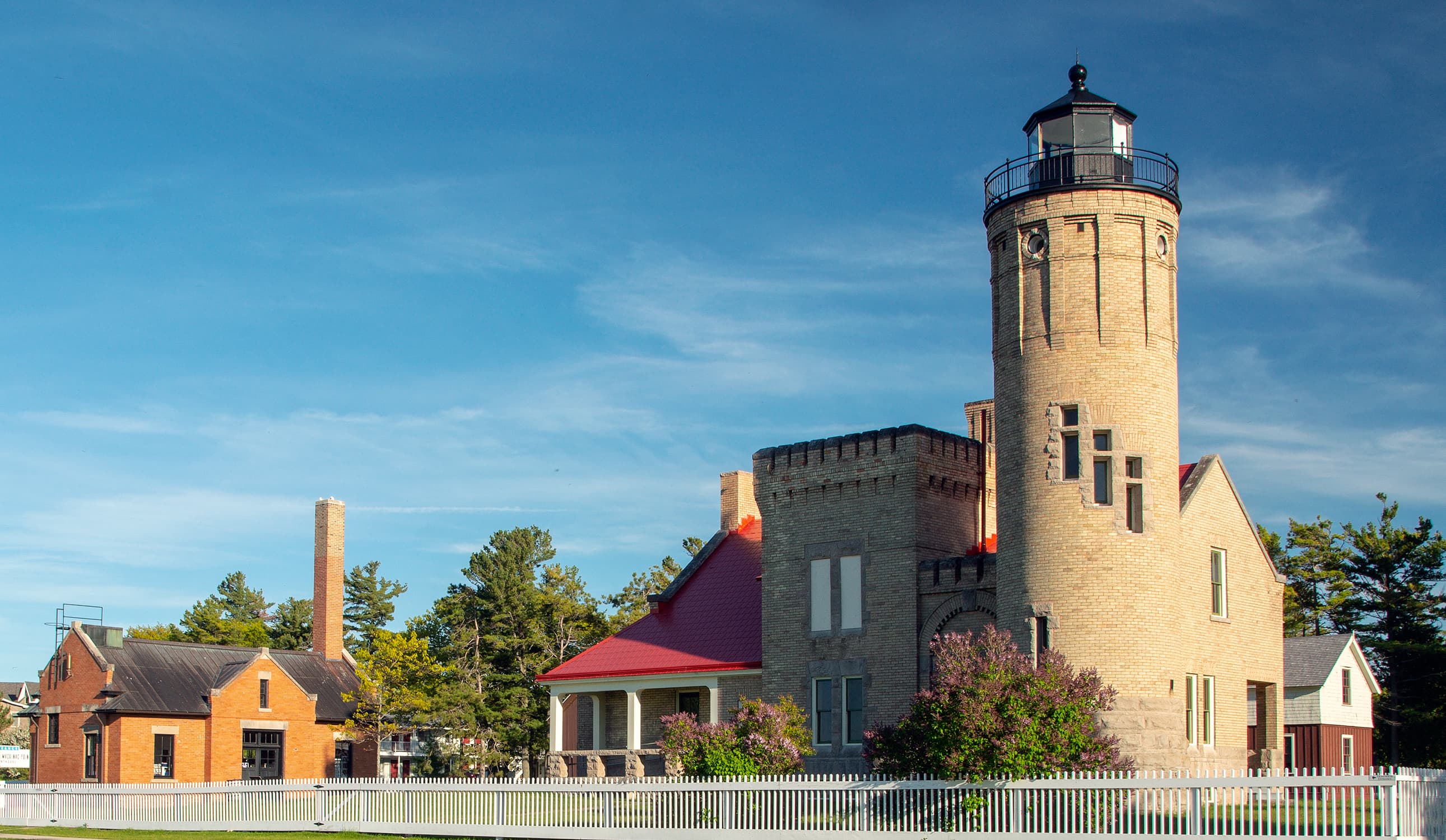
Everything you need to know about visiting Michigan lighthouses: which ones you can climb, tour schedules, costs, photography tips, and insider advice for planning your lighthouse adventure.