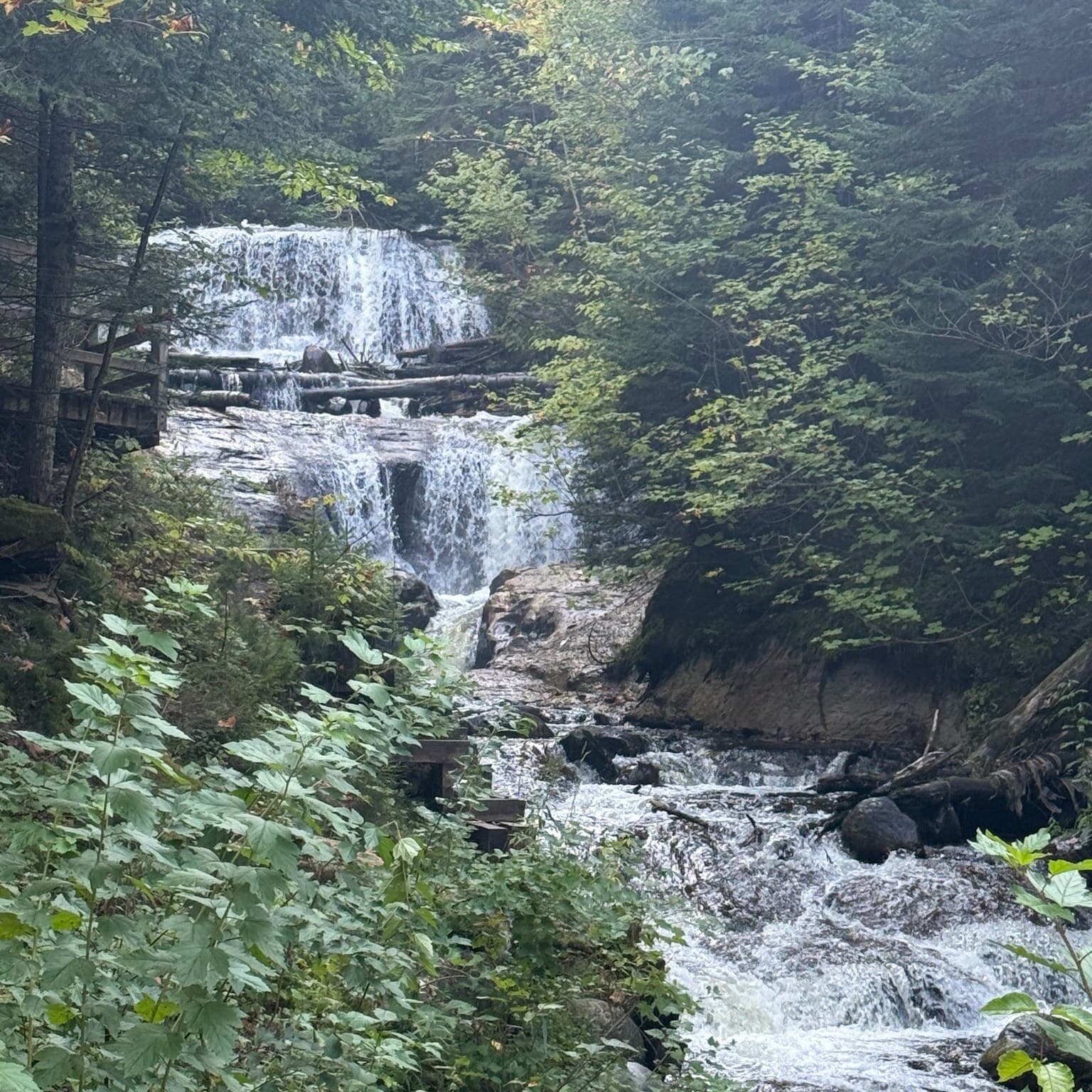
Sable Falls: A Hidden Gem in Michigan's Upper Peninsula
Discover one of Michigan's most beautiful waterfalls, where cascading water meets pristine wilderness in the heart of the Upper Peninsula.
Nestled in the rugged beauty of Michigan's Upper Peninsula, Sable Falls stands as one of the state's most captivating natural wonders. This stunning waterfall offers visitors a perfect blend of accessible adventure and pristine wilderness, making it a must-visit destination for nature lovers and outdoor enthusiasts.
Located near Grand Marais in Alger County, Sable Falls cascades through a series of dramatic drops, creating a mesmerizing display of natural beauty. The falls are part of the larger Pictured Rocks National Lakeshore area, which is renowned for its stunning landscapes and outdoor recreation opportunities. Whether you're planning a dedicated trip to see the falls or exploring the broader region, Sable Falls offers an unforgettable experience that showcases the raw beauty of Michigan's Upper Peninsula.
Discovering Sable Falls
Location and Access
Sable Falls is located approximately 12 miles west of Grand Marais, Michigan, along Highway H-58. The falls are easily accessible from the main road, with a well-maintained parking area that makes this natural wonder available to visitors of all ages and abilities. The location places Sable Falls in the heart of one of Michigan's most scenic regions, surrounded by pristine forests and just a short distance from the stunning Lake Superior shoreline.
The falls are part of the Hiawatha National Forest and are managed by the U.S. Forest Service, ensuring that this natural treasure remains protected and accessible for future generations. The area around Sable Falls offers numerous opportunities for exploration, from the waterfall itself to nearby hiking trails and scenic overlooks that provide breathtaking views of the surrounding wilderness.
The Waterfall Experience
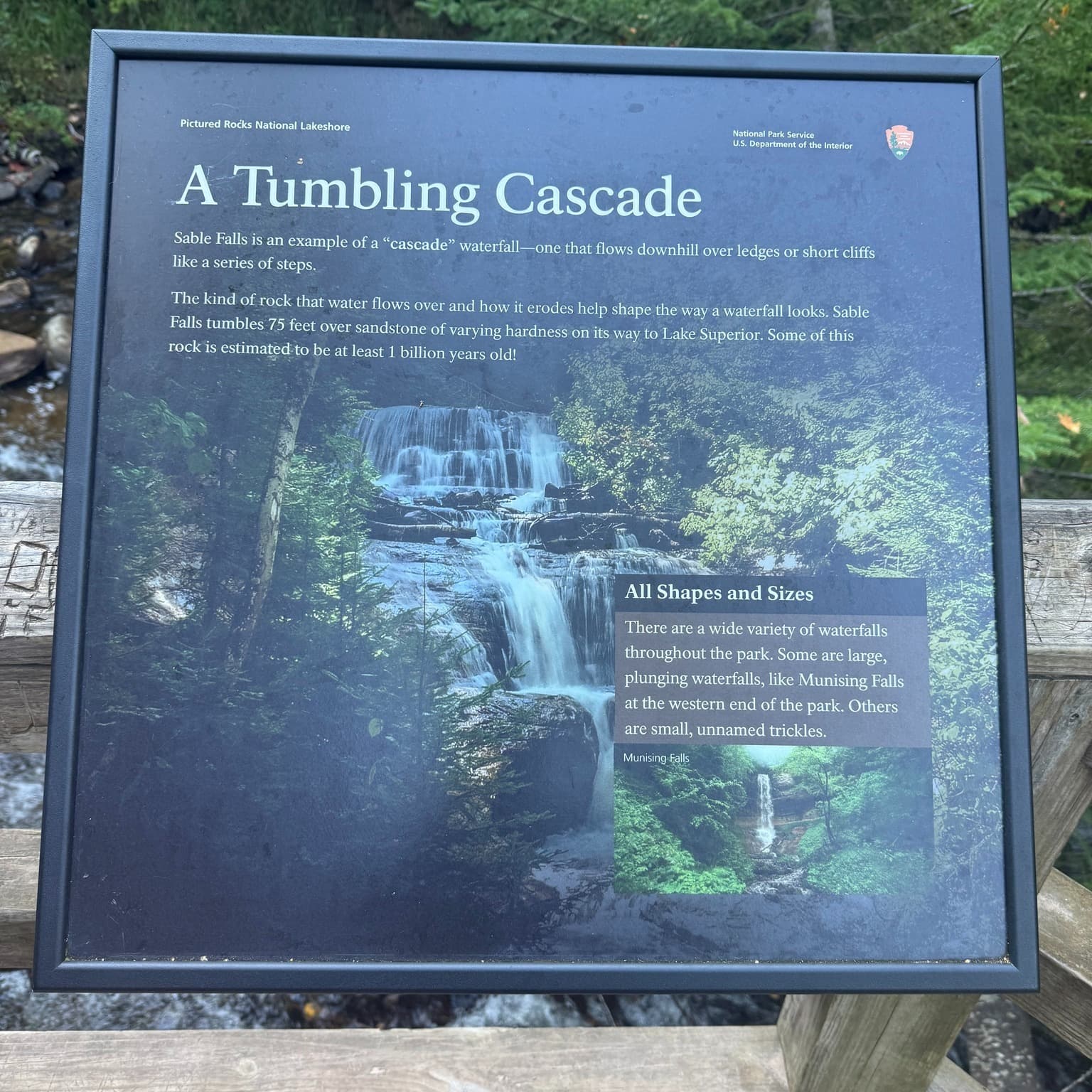
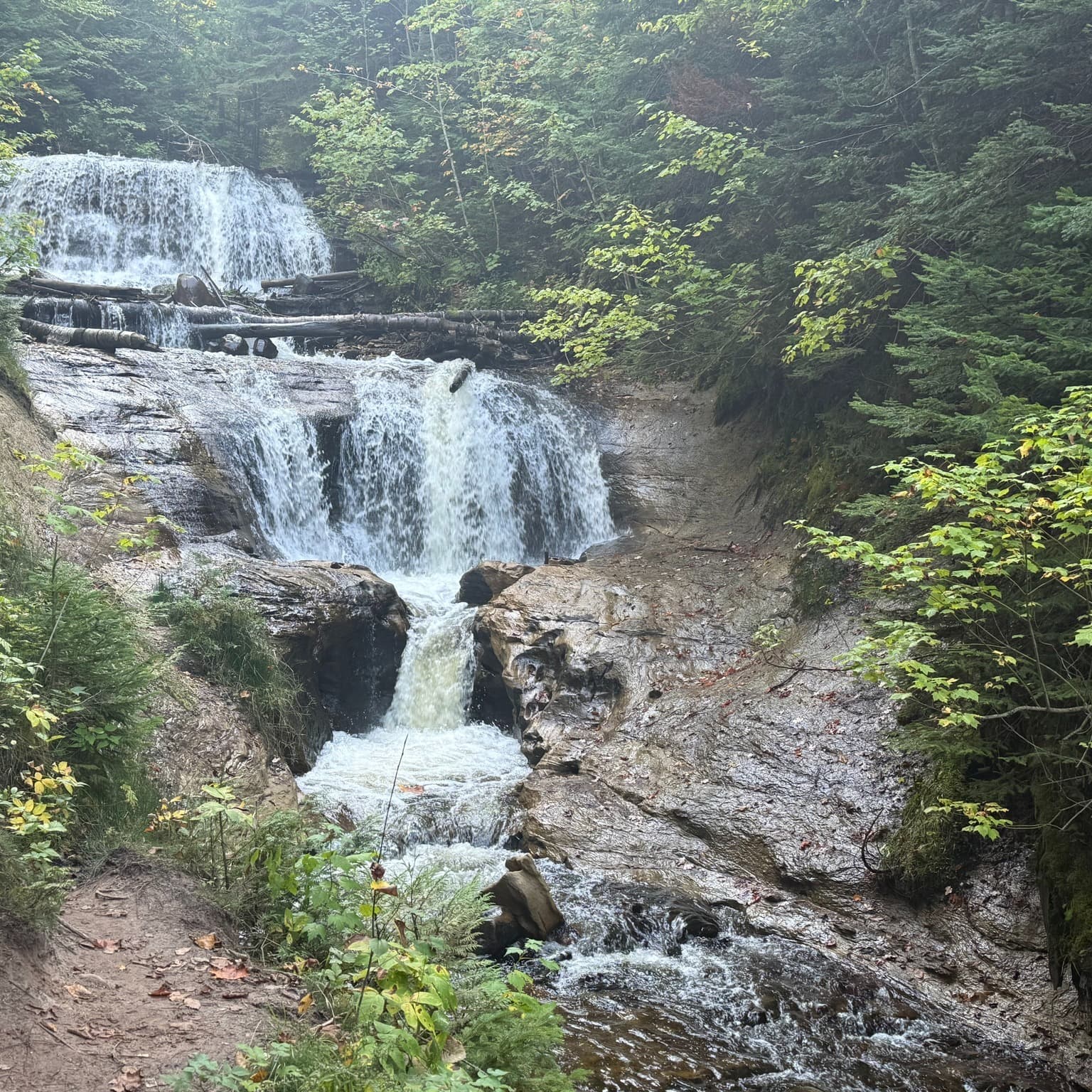
Sable Falls features a series of cascades that drop approximately 75 feet over multiple tiers, creating a dynamic and visually stunning waterfall. The falls flow over ancient rock formations, with the water carving its way through the landscape over thousands of years. The sound of rushing water, combined with the surrounding forest, creates an atmosphere of tranquility and natural beauty that draws visitors from throughout the region.
The waterfall is fed by Sable Creek, which originates in the nearby forests and flows through the rugged terrain before reaching the falls. The volume of water varies throughout the year, with spring and early summer typically offering the most dramatic displays as snowmelt and spring rains feed the creek. However, the falls remain beautiful year-round, with each season offering its own unique perspective on this natural wonder.
Hiking to Sable Falls
The Trail System
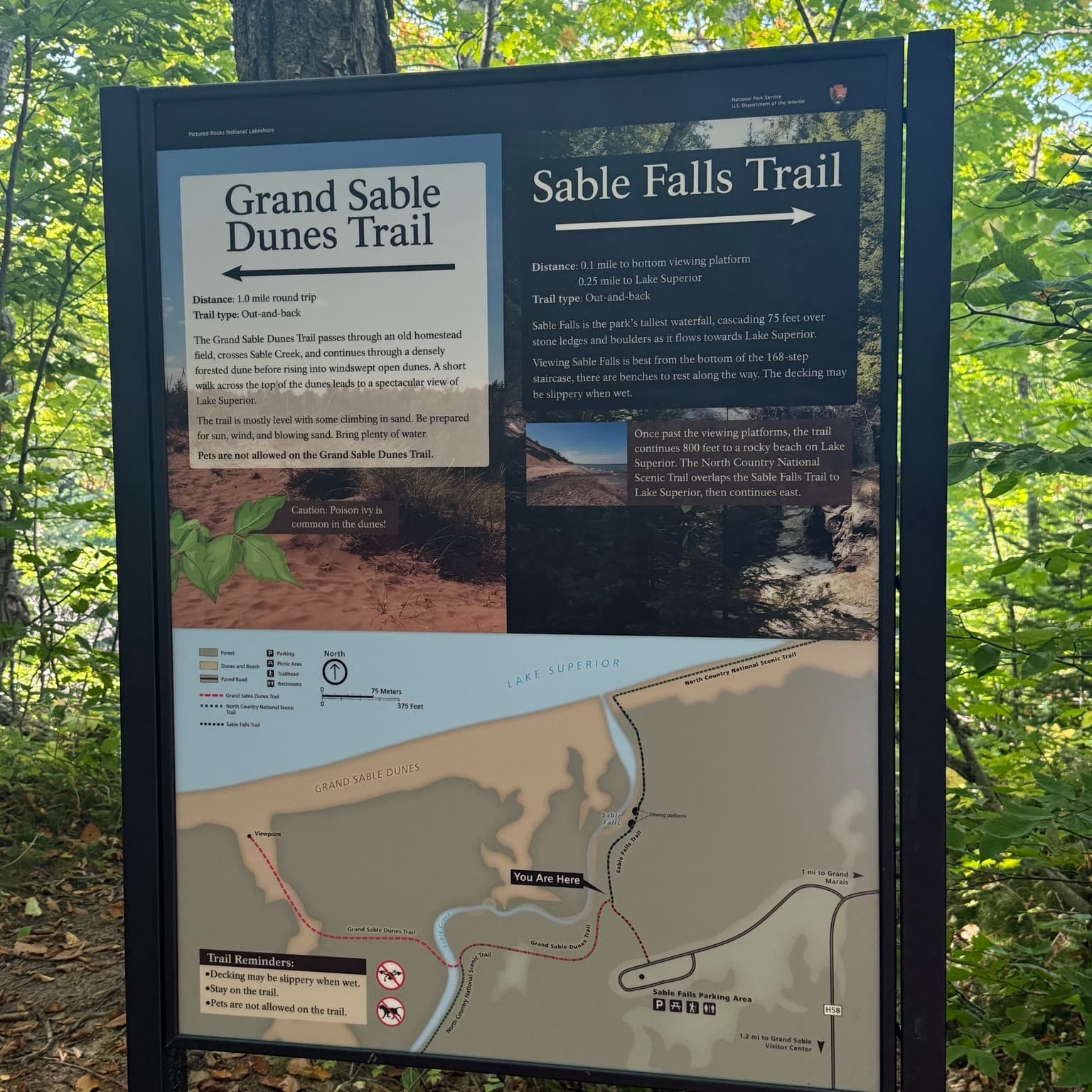
The trail to Sable Falls is well-maintained and relatively accessible, making it suitable for visitors of various fitness levels. The main trail descends from the parking area down to the base of the falls, with wooden stairs and boardwalks that help navigate the steeper sections. The trail is approximately 0.3 miles long, making it a manageable hike for families and those looking for a shorter outdoor adventure.
Along the trail, visitors will encounter several viewing platforms that offer different perspectives of the falls. These platforms are strategically placed to provide safe viewing areas while protecting the surrounding vegetation and ensuring visitor safety. The trail continues beyond the main falls viewing area, leading to the mouth of Sable Creek where it meets Lake Superior, offering additional scenic opportunities for those who want to extend their visit.
What to Expect on the Trail
The hike to Sable Falls is a rewarding experience that combines natural beauty with accessible adventure. The trail winds through a mixed hardwood and conifer forest, providing shade during warmer months and showcasing the area's diverse plant life. Visitors should wear appropriate footwear, as the trail can be slippery when wet, and the stairs require careful navigation, especially when returning to the parking area.
The trail's design incorporates several interpretive elements that help visitors understand the natural and cultural history of the area. Information signs along the way provide context about the geology, ecology, and human history of the region, enhancing the educational value of the visit. The trail is designed to be accessible while still maintaining the natural character of the area, creating a balance between visitor access and environmental protection.
Best Times to Visit
Seasonal Considerations
Each season at Sable Falls offers its own unique experience, making it a year-round destination for those willing to brave the Upper Peninsula's varied weather. Spring, typically from late April through June, is perhaps the most dramatic time to visit, as melting snow and spring rains create the highest water flow. The falls roar with power during this time, creating an impressive display of natural force that showcases the waterfall at its most dynamic.
Summer brings warmer temperatures and more stable conditions, making it the most popular time to visit. The surrounding forest is lush and green, and the weather is generally pleasant for hiking. However, summer also brings more visitors, so those seeking solitude may want to visit early in the morning or during weekdays. Fall transforms the area with spectacular color displays as the hardwood trees change, creating a stunning backdrop for the falls and making it an ideal time for photography.
Winter at Sable Falls is a truly magical experience, though it requires more preparation and caution. The falls can partially freeze, creating intricate ice formations that are beautiful to behold. The surrounding forest is blanketed in snow, creating a serene and peaceful atmosphere. However, winter conditions can make the trail more challenging, and visitors should be prepared for cold temperatures, ice, and snow. Proper winter gear, including traction devices for footwear, is essential for a safe winter visit.
Photography and Nature Observation
Capturing the Beauty
Sable Falls is a photographer's paradise, offering numerous opportunities to capture stunning images of natural beauty. The multiple viewing platforms provide different angles and perspectives, allowing photographers to experiment with composition and framing. Early morning and late afternoon light can create dramatic effects, with the sun's angle highlighting the water's movement and the surrounding rock formations.
For those interested in capturing the falls' power and movement, longer exposure times can create beautiful silky water effects. However, the mist from the falls can create challenges for camera equipment, so photographers should be prepared to protect their gear. The surrounding forest also offers opportunities for nature photography, with diverse plant life, potential wildlife sightings, and the ever-changing seasonal landscapes providing endless subject matter.
Wildlife and Natural History
The area around Sable Falls is rich in biodiversity, with the surrounding forest providing habitat for numerous species of birds, mammals, and other wildlife. Visitors may encounter white-tailed deer, various bird species, and if lucky, might catch a glimpse of more elusive wildlife like black bears or moose. The diverse plant life includes both common and rare species, with the moist environment around the falls supporting unique ecological communities.
The geological history of the area is fascinating, with the rock formations around the falls telling a story of ancient geological processes. The falls themselves are relatively young in geological terms, having been formed by the erosive power of water over thousands of years. Understanding this natural history adds depth to the visitor experience, connecting the present-day beauty to the long processes that created it.
Planning Your Visit
What to Bring
A successful visit to Sable Falls requires some basic preparation. Comfortable, sturdy footwear is essential, as the trail includes stairs and can be slippery when wet. Water and snacks are recommended, especially if you plan to spend time exploring the area or hiking to the Lake Superior shoreline. During warmer months, insect repellent can be helpful, as the moist environment around the falls can attract mosquitoes and other insects.
For photography enthusiasts, bringing appropriate equipment and protection for your gear is important. A tripod can be helpful for longer exposures, and lens cleaning supplies are essential due to the mist from the falls. Weather-appropriate clothing is crucial, as conditions can change quickly in the Upper Peninsula, and the area around the falls can be cooler and more humid than the surrounding area.
Safety Considerations
While Sable Falls is generally a safe destination, visitors should exercise caution, especially around the waterfall itself. The rocks around the falls can be slippery, and the water can be powerful, particularly during high-flow periods in spring. Staying on designated trails and viewing platforms is important for both personal safety and environmental protection. The stairs on the trail can be challenging for some visitors, so those with mobility concerns should plan accordingly.
Weather conditions in the Upper Peninsula can change rapidly, so checking weather forecasts before your visit is recommended. During winter, the trail can be icy and hazardous, requiring additional caution and appropriate gear. Cell phone service may be limited in the area, so informing someone of your plans and expected return time is a good safety practice.
Nearby Attractions
Sable Falls is perfectly positioned for visitors who want to explore more of the Upper Peninsula's natural beauty. The falls are located near Grand Marais, a charming small town that offers dining, lodging, and additional recreational opportunities. The area is also close to Pictured Rocks National Lakeshore, which offers stunning cliff formations, additional waterfalls, and extensive hiking opportunities.
Lake Superior's shoreline is just a short distance from the falls, offering opportunities for beach exploration, kayaking, and simply enjoying the vastness of the Great Lake. The surrounding Hiawatha National Forest provides numerous additional hiking trails, camping opportunities, and scenic drives that showcase the region's natural beauty. Combining a visit to Sable Falls with exploration of these nearby attractions creates a comprehensive Upper Peninsula experience.
Preserving Natural Beauty
Sable Falls represents one of Michigan's natural treasures, and preserving it for future generations requires the cooperation of all visitors. Following Leave No Trace principles, staying on designated trails, and respecting the natural environment ensures that this beautiful destination remains accessible and pristine. The U.S. Forest Service works to maintain the area, but visitor cooperation is essential for long-term preservation.
The popularity of Sable Falls has grown in recent years, making responsible visitation even more important. By respecting the natural environment, following posted guidelines, and being considerate of other visitors, we can all contribute to maintaining the falls' beauty and accessibility. This commitment to preservation ensures that future generations will be able to experience the same wonder and inspiration that draws visitors today.
Whether you're a first-time visitor or returning to experience the falls in a different season, Sable Falls offers a connection to Michigan's natural heritage that is both inspiring and humbling. The combination of accessible adventure, stunning natural beauty, and rich ecological diversity makes this destination a must-visit for anyone exploring Michigan's Upper Peninsula.
Frequently Asked Questions
Explore More Michigan Destinations
January 15, 2026
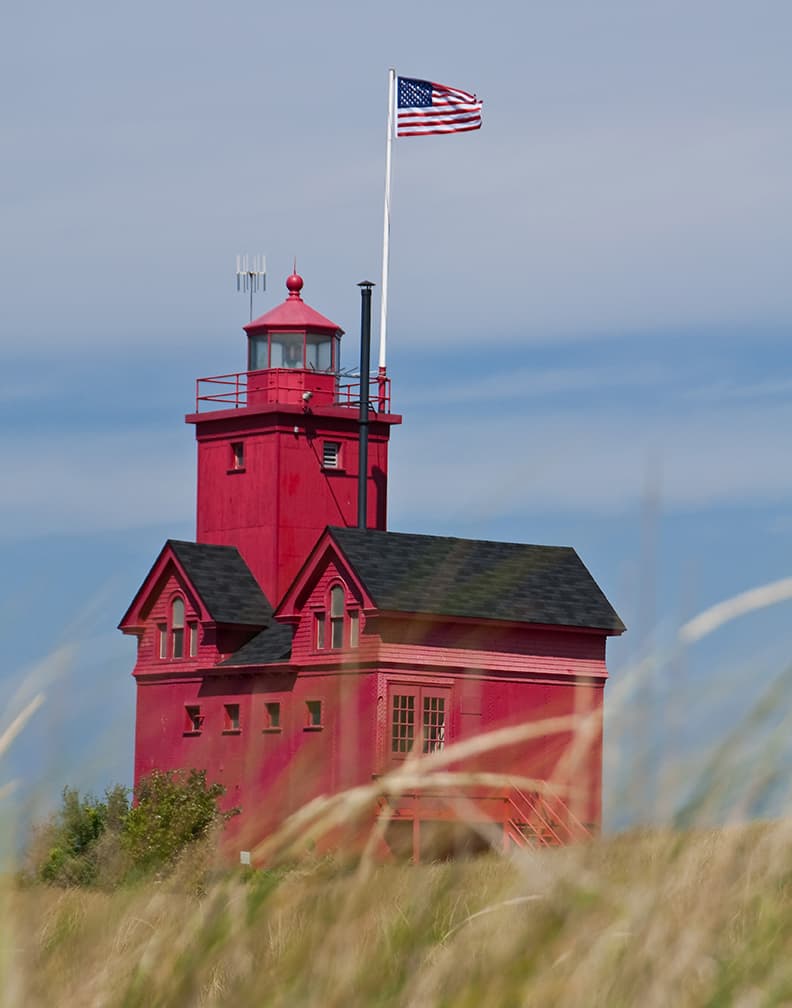
Lighthouses10 Most Beautiful Lighthouses in Michigan
Discover the 10 most beautiful lighthouses in Michigan, from the iconic Big Red in Holland to the remote Au Sable Light Station. Complete guide to visiting Michigan's most stunning lighthouses.
January 15, 2026
LighthousesMichigan Lighthouse Road Trip: Ultimate 7-Day Itinerary
Plan the perfect Michigan lighthouse road trip with this comprehensive 7-day itinerary covering the best lighthouse routes, driving distances, and where to stay along the way.
January 15, 2026
LighthousesVisiting Michigan Lighthouses: Complete Practical Guide
Everything you need to know about visiting Michigan lighthouses: which ones you can climb, tour schedules, costs, photography tips, and insider advice for planning your lighthouse adventure.