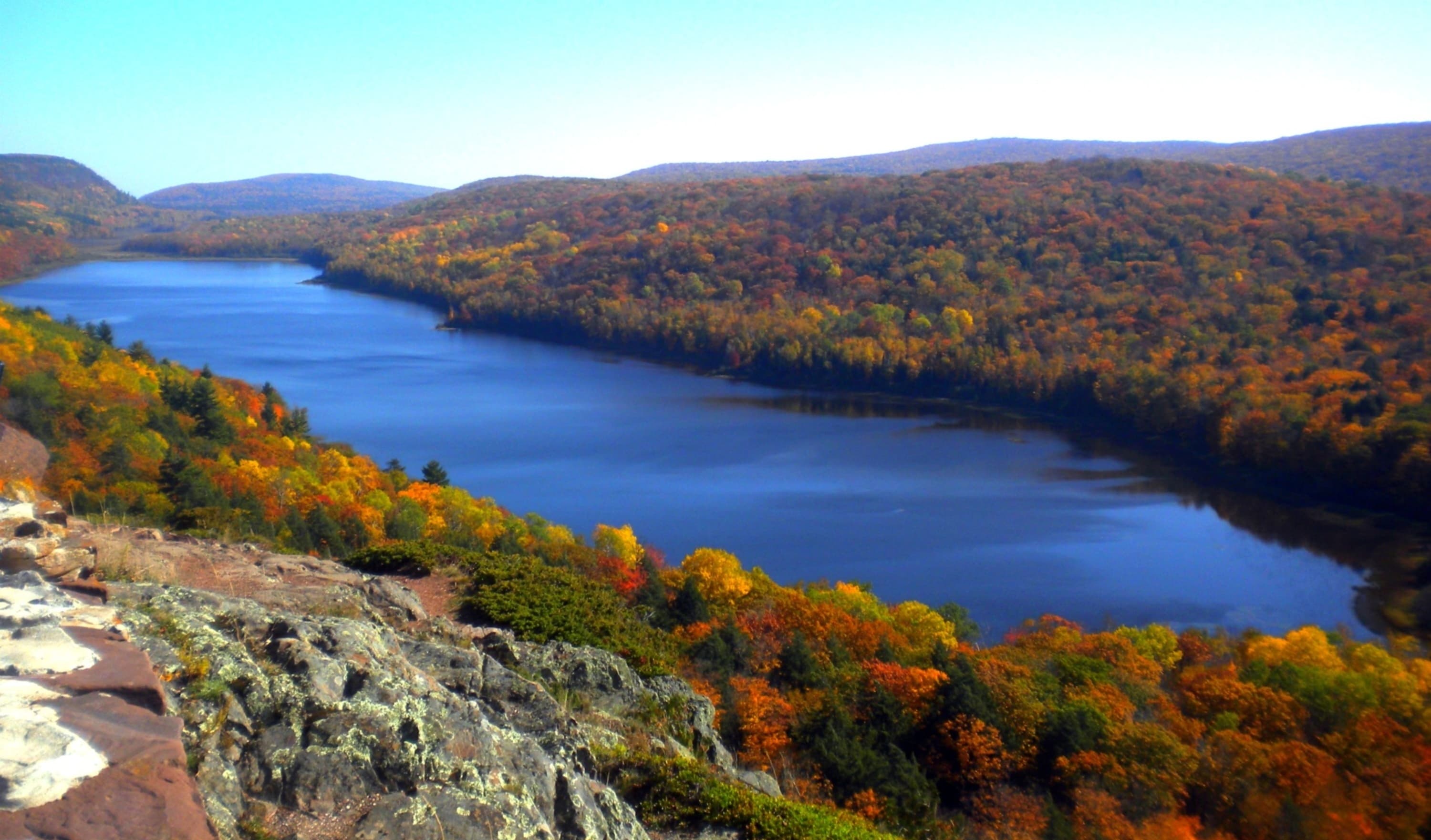
Top 5 Destinations in Michigan You Need to Visit this 2026
From hidden natural springs to dramatic wilderness landscapes, discover the five Michigan destinations that should be on your 2026 travel itinerary.
As 2026 unfolds, Michigan offers travelers an exceptional opportunity to explore destinations that showcase the state's diverse natural beauty and rich cultural heritage. This curated list highlights five remarkable places that deserve a spot on your travel itinerary this year.
Each destination on this list offers something distinct—from hidden natural springs to dramatic wilderness landscapes, from maritime history to geological wonders. These aren't just places to visit; they're experiences that will define your 2026 Michigan adventure. Whether you're seeking tranquility, adventure, or cultural enrichment, these five destinations deliver.
Top 5 Must-Visit Destinations for 2026
Iargo Springs
Oscoda, Michigan
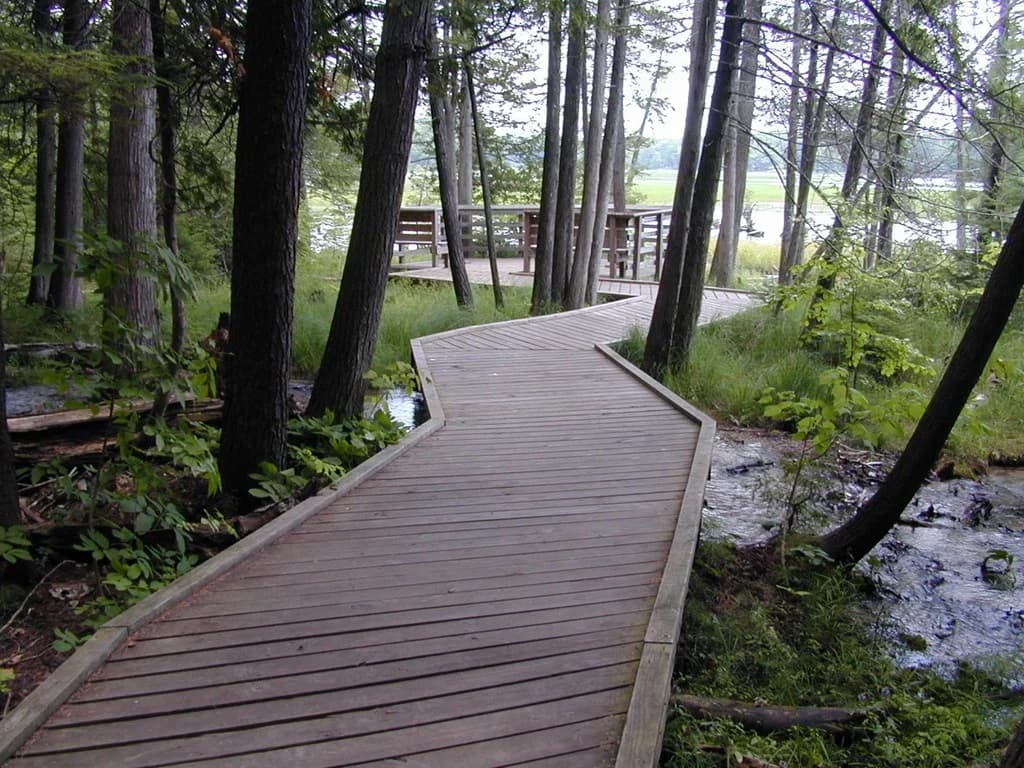
A hidden natural spring complex featuring crystal-clear water that flows through a series of cascades. Accessible via a scenic boardwalk that descends 300 steps through a peaceful forest setting, offering panoramic views of the Au Sable River.
Iargo Springs represents one of Michigan's most serene and accessible natural wonders. Located along the River Road National Scenic Byway near Oscoda in the Lower Peninsula, these natural springs emerge from the ground and flow through a series of gentle cascades before joining the Au Sable River. The site offers visitors a peaceful escape into nature, with well-maintained facilities that make this hidden gem accessible to visitors of all ages.
The Springs Experience
The springs flow at a constant temperature year-round, creating a unique microclimate that supports diverse plant life. A 300-step staircase and boardwalk system descends through the forest, offering multiple viewing platforms where visitors can observe the crystal-clear water as it cascades over moss-covered rocks. The sound of flowing water combined with the surrounding forest creates an atmosphere of tranquility that makes Iargo Springs a perfect destination for those seeking a peaceful nature experience. The site also offers panoramic views of the Au Sable River valley below.
Don't Miss: The boardwalk offers multiple viewing platforms perfect for photography, and the constant water temperature creates interesting ice formations in winter. The panoramic views of the Au Sable River valley add to the experience.
Whitefish Point
Paradise, Upper Peninsula
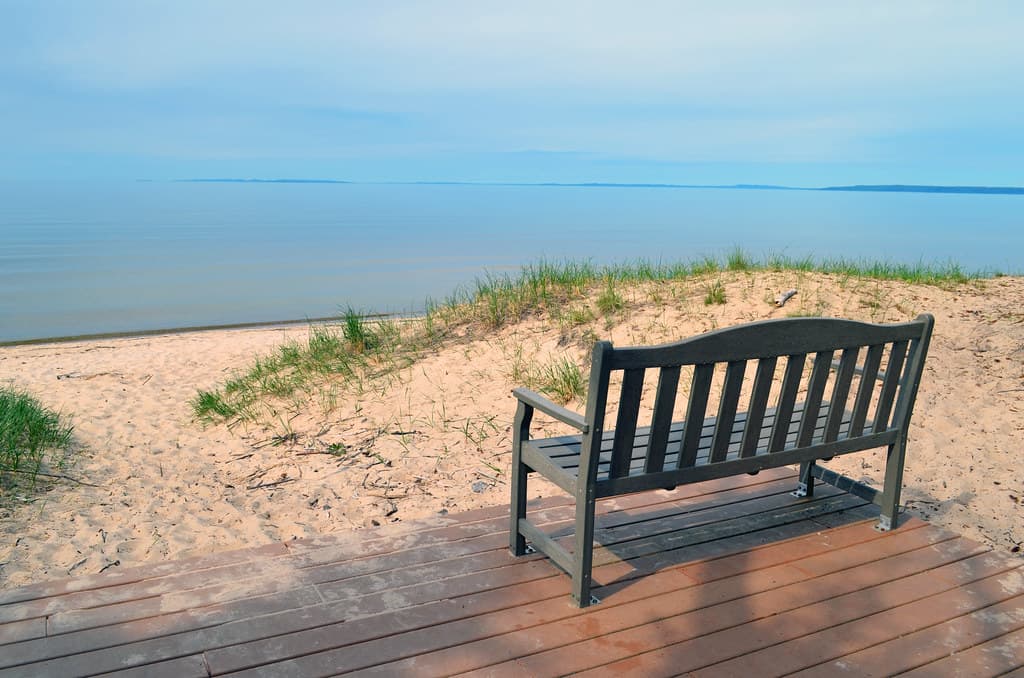
Home to the Great Lakes Shipwreck Museum and the historic Whitefish Point Lighthouse. This site commemorates the Edmund Fitzgerald and hundreds of other shipwrecks that occurred in the treacherous waters of Lake Superior.
Whitefish Point stands as a testament to the power of Lake Superior and the maritime history that shaped the Great Lakes region. This remote point of land extends into Lake Superior, creating one of the most dangerous shipping passages in the Great Lakes. The Great Lakes Shipwreck Museum, housed in the historic Whitefish Point Light Station, tells the stories of the hundreds of ships that met their fate in these waters, including the legendary Edmund Fitzgerald.
The Shipwreck Museum
The museum's collection includes artifacts recovered from shipwrecks, interactive exhibits, and the bell from the Edmund Fitzgerald, which serves as a memorial to the 29 crew members who lost their lives. The museum provides context for understanding the dangers of Great Lakes shipping and the technological advances that have made navigation safer. Visitors can explore multiple buildings, including the lighthouse keeper's quarters, which have been restored to reflect different periods of the station's history. The Whitefish Point Lighthouse, first lit in 1849, is one of the oldest active lighthouses on Lake Superior, and visitors can climb the tower for panoramic views of the lake.
Don't Miss: The Edmund Fitzgerald memorial and the museum's collection provide a moving tribute to Great Lakes maritime history.
Pictured Rocks National Lakeshore
Munising, Upper Peninsula
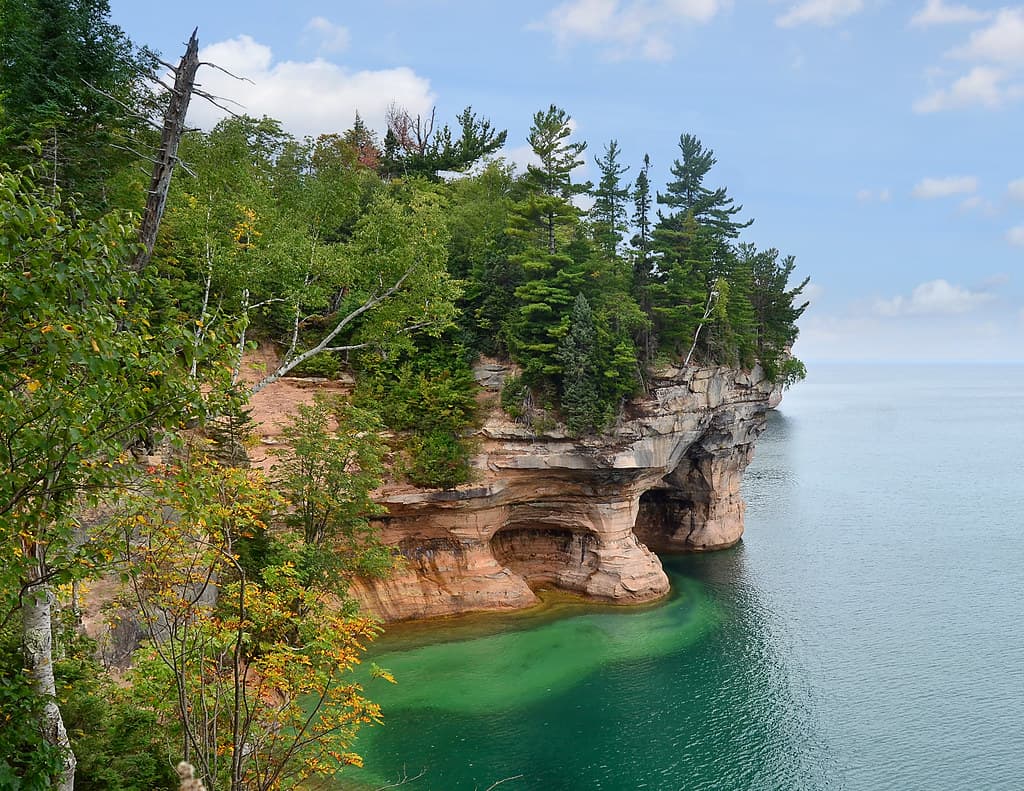
Experience the park's hidden gems and seasonal highlights. From secret beaches accessible only by kayak to fall color viewing spots, discover the best ways to experience Pictured Rocks in 2026.
While Pictured Rocks is well-known for its dramatic cliffs, 2026 offers unique opportunities to experience this national lakeshore in ways that go beyond the standard boat tour. The park's 42 miles of shoreline hide numerous coves, beaches, and viewpoints that many visitors never discover. This year, consider exploring the park's lesser-known areas and timing your visit to experience seasonal highlights that showcase Pictured Rocks at its most spectacular.
Hidden Gems and Seasonal Highlights
Beyond the popular viewpoints, Pictured Rocks offers secluded beaches accessible by kayak, hidden waterfalls that flow only during certain seasons, and hiking trails that provide solitude even during peak months. The Chapel Basin area offers stunning views with fewer crowds, while the Beaver Basin Wilderness provides opportunities for backcountry camping. Each season offers distinct advantages: late spring and early summer bring wildflowers and migrating birds, while mid-summer offers the warmest water temperatures for kayaking. Fall transforms the park with spectacular color displays, particularly along the Lakeshore Trail. For 2026, consider booking boat tours and kayak rentals early, as they fill quickly during peak season. Visiting during shoulder seasons (late May or early September) offers better availability and often more pleasant weather.
Don't Miss: Book boat tours and kayak rentals well in advance for 2026, as demand continues to grow. Consider visiting in late spring or early fall for better availability and stunning seasonal displays.
Kitch-iti-kipi (Big Spring)
Palms Book State Park, Upper Peninsula
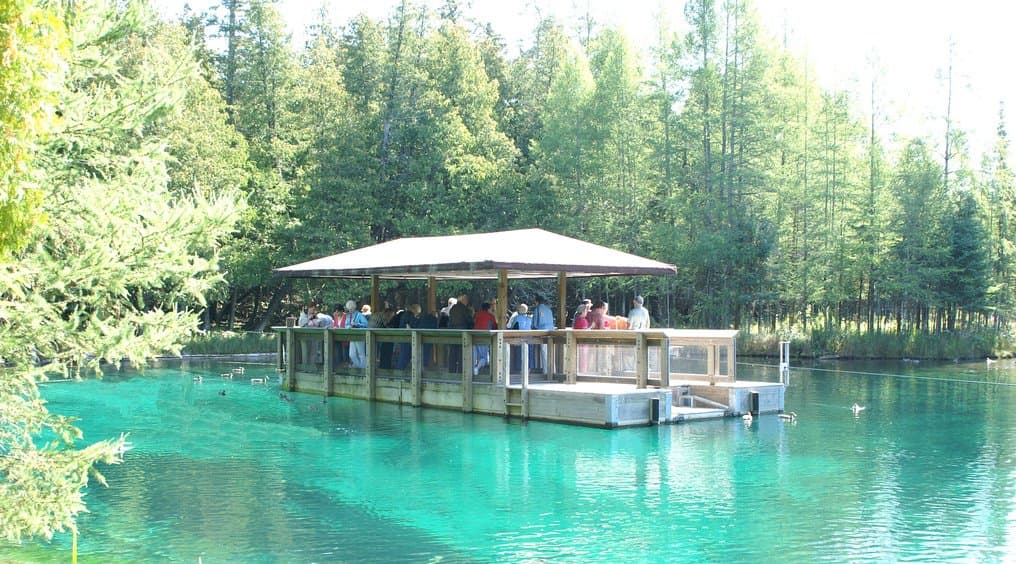
Michigan's largest natural spring, where crystal-clear water flows at a rate of 10,000 gallons per minute. Visitors can view the spring from a self-operated observation raft that glides across the surface.
Kitch-iti-kipi, meaning 'big cold water' in the Ojibwe language, is Michigan's largest natural spring and one of the state's most visually stunning natural features. Located in Palms Book State Park in the Upper Peninsula, the spring measures 200 feet across and 40 feet deep, with water so clear that visitors can see to the bottom even from the surface. The spring flows at an impressive rate of 10,000 gallons per minute, creating a constant current that feeds the Indian Lake system.
The Observation Raft Experience
What makes Kitch-iti-kipi truly unique is the self-operated observation raft that allows visitors to glide across the spring's surface. Visitors pull the raft across using a cable system, providing a one-of-a-kind perspective on the spring's depth and clarity. From the raft, you can see ancient tree trunks preserved in the cold water, large trout swimming in the depths, and the spring's bottom, which appears much closer than its actual 40-foot depth due to the water's remarkable clarity. The spring is fed by an underground river system that flows through limestone formations, filtering the water to create its exceptional clarity. The constant 45-degree temperature means the spring never freezes, creating interesting visual effects during winter months when ice forms around the edges.
Don't Miss: The self-operated observation raft provides a unique way to experience the spring's incredible clarity and depth. Visit in winter to see the spring surrounded by ice while the water itself remains unfrozen.
Porcupine Mountains Wilderness State Park
Ontonagon, Upper Peninsula
Michigan's largest state park encompasses 60,000 acres of pristine wilderness. Home to Lake of the Clouds, one of the most photographed vistas in Michigan, and over 90 miles of hiking trails through old-growth forests.
The Porcupine Mountains, affectionately known as the 'Porkies,' represent Michigan's largest and most rugged state park. This 60,000-acre wilderness area preserves one of the last remaining old-growth hardwood forests in the Midwest, with some trees dating back over 300 years. The park's remote location in the western Upper Peninsula ensures that visitors experience true wilderness, with opportunities for backcountry camping, extensive hiking, and wildlife viewing in an unspoiled natural setting.
Lake of the Clouds and Wilderness Adventures
The park's crown jewel is Lake of the Clouds, a stunning alpine-like lake set in a valley surrounded by forested peaks. The overlook provides one of Michigan's most iconic views, accessible via a short walk from the parking area, making it one of the most photographed locations in the state. The park offers over 90 miles of hiking trails ranging from easy walks to challenging backcountry routes, with the Escarpment Trail providing stunning views along a ridge that overlooks Lake Superior. While summer and fall are the most popular seasons, the Porcupine Mountains offer year-round recreation, with winter transforming the park into a snow-covered wonderland perfect for cross-country skiing and snowshoeing.
Don't Miss: Lake of the Clouds offers one of Michigan's most iconic views, accessible via a short walk. Visit in early October for peak fall colors, or in winter for a completely different snowy landscape.
Planning Your 2026 Michigan Adventure
These five destinations span Michigan's diverse geography, from the Lower Peninsula's natural springs to the Upper Peninsula's wilderness landscapes. While they're spread across the state, careful planning allows you to visit multiple sites in a single trip. Iargo Springs in Oscoda is easily accessible from major Lower Peninsula routes, while the other four destinations are located in the Upper Peninsula, making it possible to combine them into a comprehensive northern Michigan itinerary.
For 2026, consider booking accommodations well in advance, particularly for summer and fall visits. The Upper Peninsula destinations are remote, and quality lodging options can fill months ahead. Iargo Springs makes an excellent day trip or stopover when traveling between the Lower and Upper Peninsulas. If you're flexible with dates, visiting during shoulder seasons (late May, early June, or September) often provides better availability, more pleasant weather, and fewer crowds while still offering excellent experiences.
Each destination on this list offers something unique, and together they showcase Michigan's incredible diversity. Whether you're drawn to natural springs, maritime history, dramatic cliffs, or wilderness adventure, these five destinations provide a comprehensive introduction to what makes Michigan such a special place to explore in 2026.
Frequently Asked Questions
Explore More Michigan Destinations
January 15, 2026
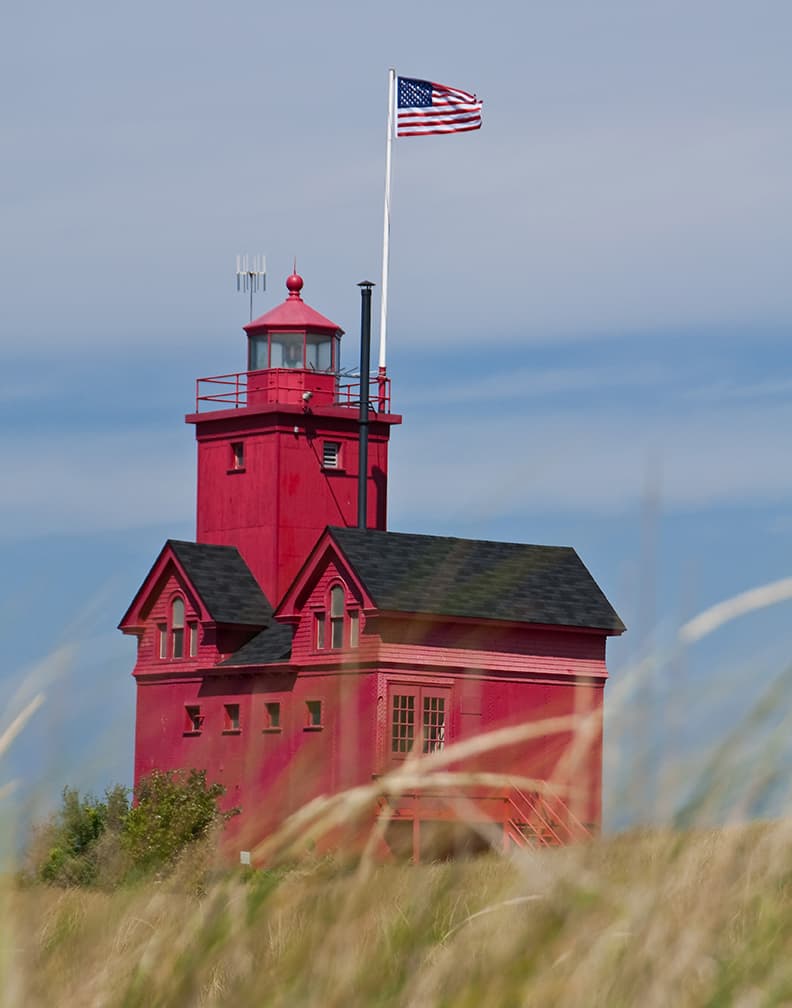
Lighthouses10 Most Beautiful Lighthouses in Michigan
Discover the 10 most beautiful lighthouses in Michigan, from the iconic Big Red in Holland to the remote Au Sable Light Station. Complete guide to visiting Michigan's most stunning lighthouses.
January 15, 2026
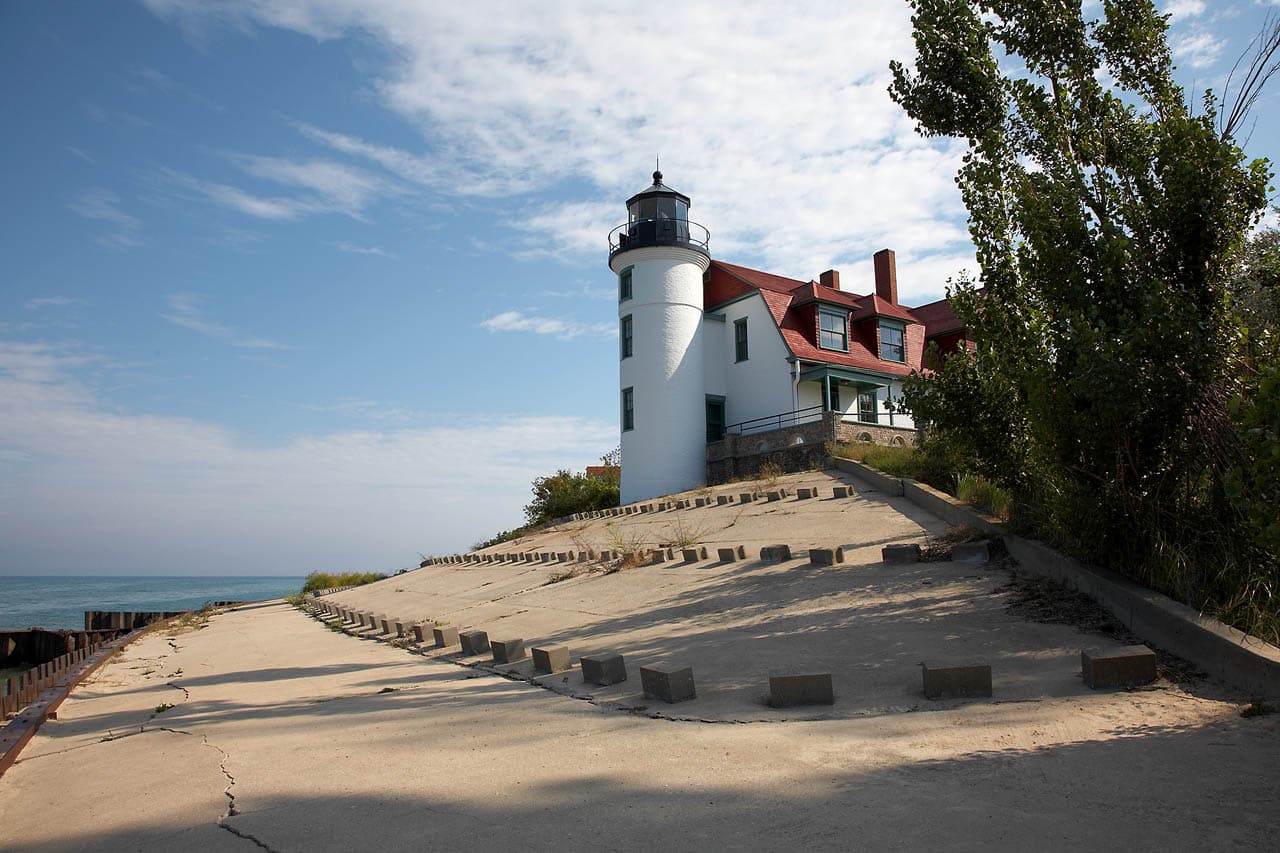
LighthousesMichigan Lighthouse Road Trip: Ultimate 7-Day Itinerary
Plan the perfect Michigan lighthouse road trip with this comprehensive 7-day itinerary covering the best lighthouse routes, driving distances, and where to stay along the way.
January 15, 2026
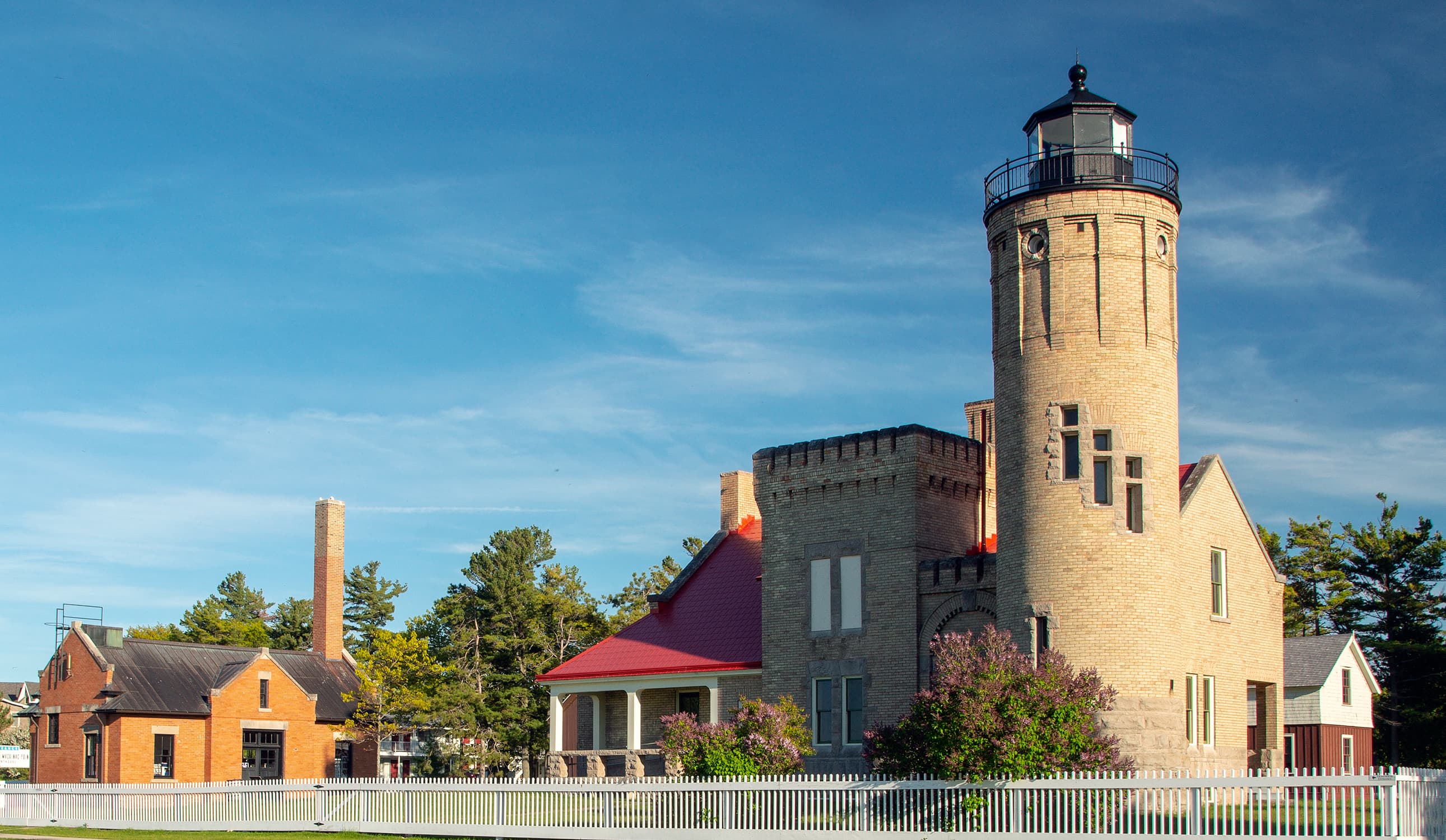
LighthousesVisiting Michigan Lighthouses: Complete Practical Guide
Everything you need to know about visiting Michigan lighthouses: which ones you can climb, tour schedules, costs, photography tips, and insider advice for planning your lighthouse adventure.